SmartAgeCare
November 2023 — August 2026Professional Project
Higher Technician,
Design Department
Faculty of Fine Arts,
University of Porto
Design Tools
- Figma
- Adobe Illustrator
- Adobe Photoshop
- Adobe InDesign
- Adobe Premiere
Development Tools
- HTML & CSS
- JavaScript (jQuery)
- PHP
Context
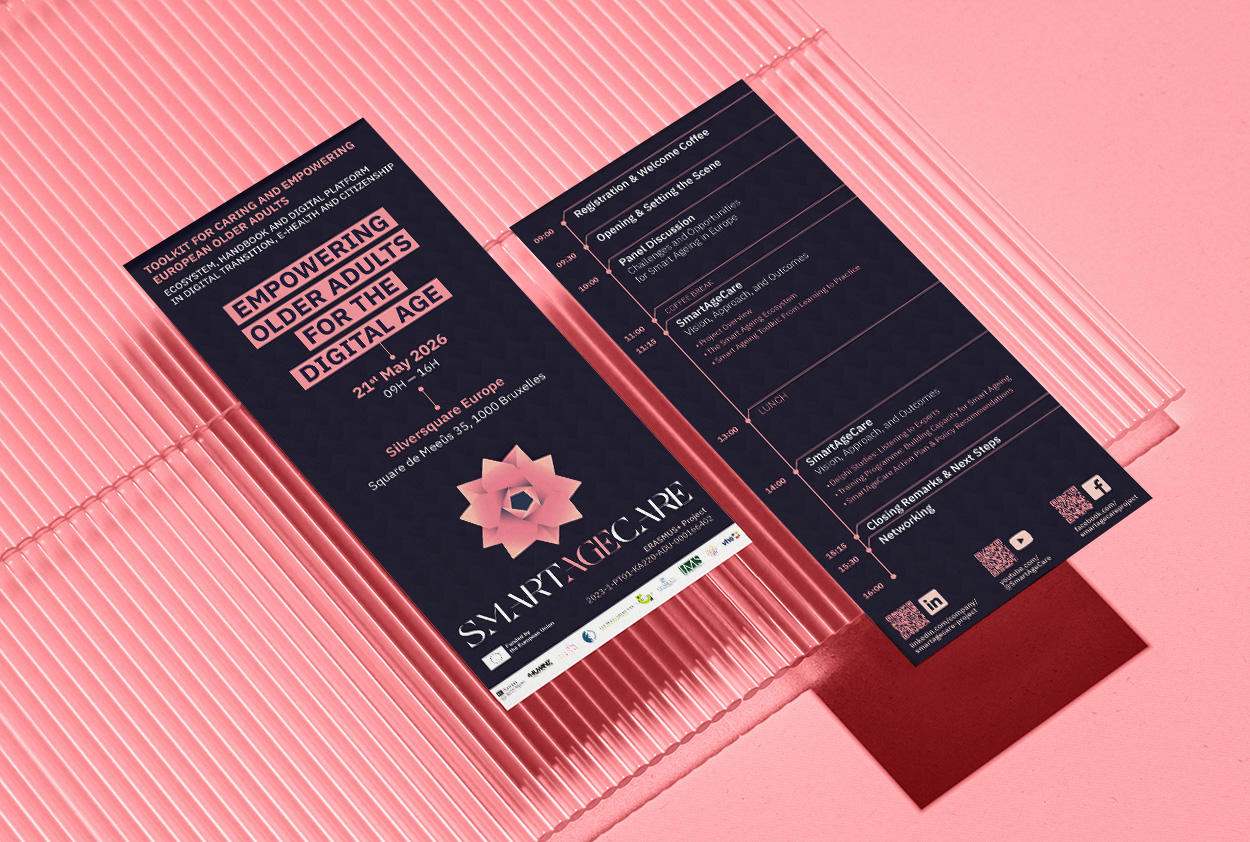
SmartAgeCare is a European project dedicated to promoting healthy and active ageing through digital innovation. Its goal is to empower older adults to fully participate in an increasingly digital society by improving digital skills, wellbeing, inclusion, and quality of life.
Bringing together partners from eight European countries, the project develops practical tools, educational resources, and collaborative initiatives that support older citizens in their daily lives. Through research, training, and pilot activities, SmartAgeCare explores how technology can contribute to more independent, connected, and fulfilling ageing experiences.
Website
Design Process
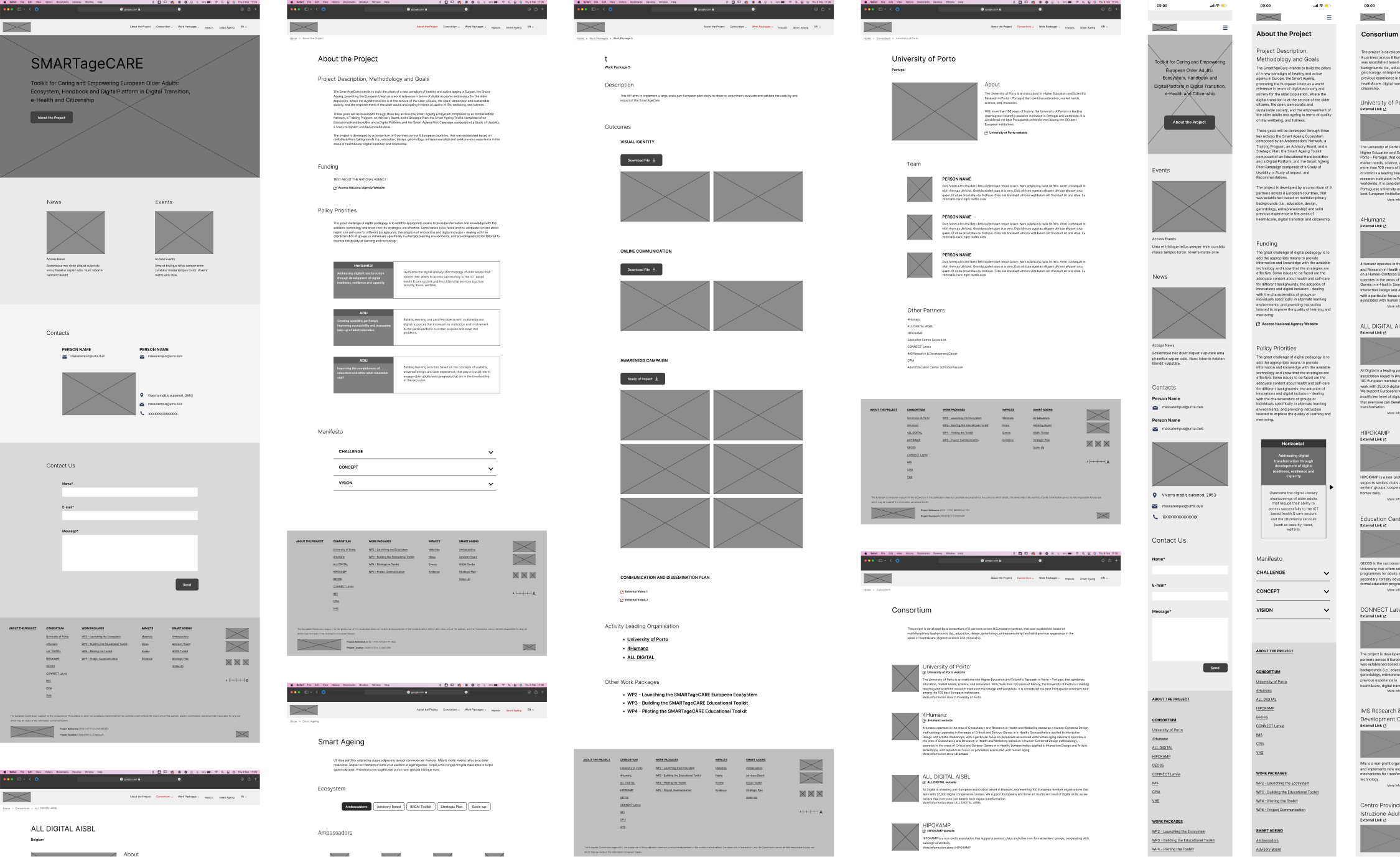
The website design process began with discussions with the Project Manager to identify the key needs and content structure required to effectively present the project. As the central platform for SmartAgeCare, the website was designed to communicate the main components of the project, including Work Packages, the Ecosystem, and dissemination outputs in a clear and accessible way.
Based on these requirements, a low-fidelity prototype was first created to define the layout and information hierarchy. This was followed by a high-fidelity prototype that incorporated the project’s visual identity, including branding elements such as colors, typography, and imagery, resulting in a more refined and cohesive design.
Web Development
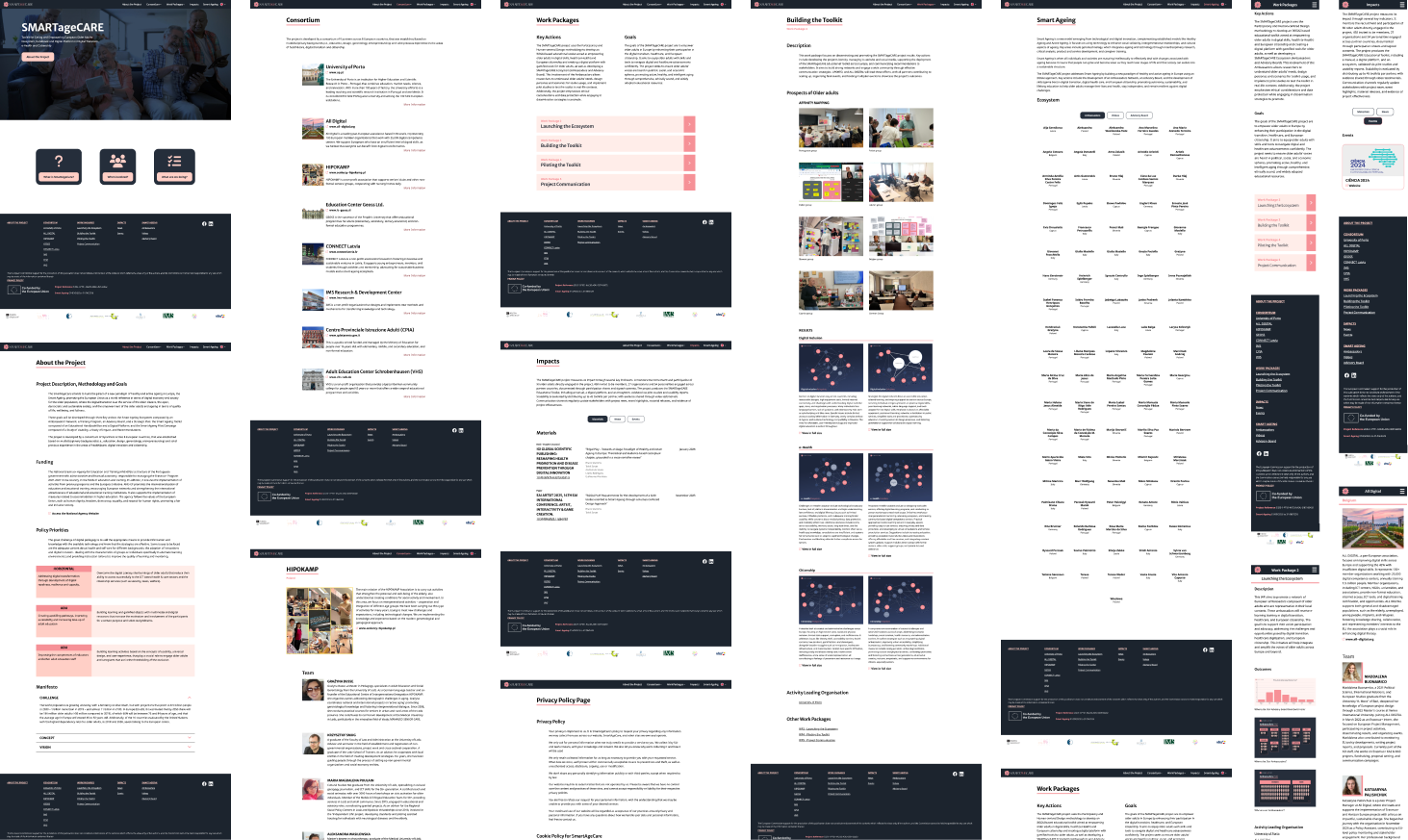
The SmartAgeCare website was developed using HTML, CSS, JavaScript (jQuery), and PHP, and supported content in eight different languages. Although the website was officially published, it remained an evolving platform throughout the project, with continuous updates to fix bugs and integrate new content.
As the project progressed, its needs changed, leading to the addition of new pages and structural updates. In some cases, previously planned sections were removed or redesigned to better reflect the evolving scope and priorities of the project.
Ecosystem
Consortium
The SMARTageCARE Consortium brings together a multidisciplinary network of European organisations, educators, researchers, and digital innovation experts committed to promoting active ageing, digital inclusion, and healthier lives for older adults across Europe. To support the project’s communication and outreach strategy, a series of social media posts were designed in Figma, creating a consistent and accessible visual identity to engage diverse audiences and strengthen the project’s online presence.
Ambassadors
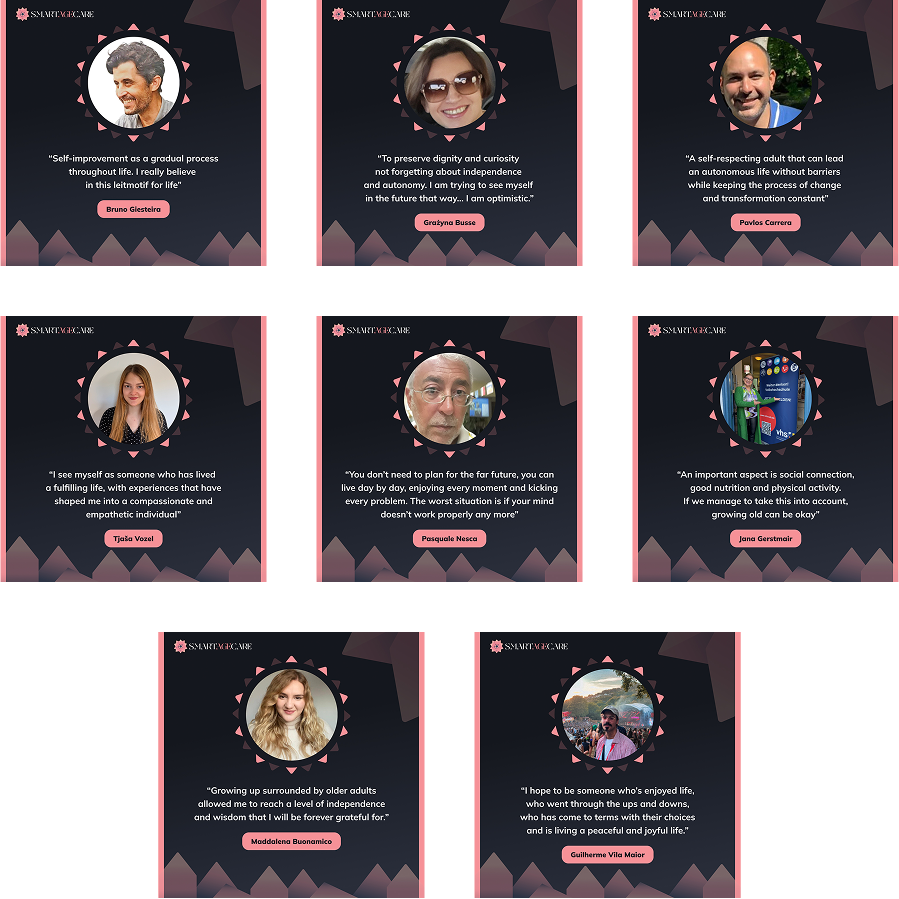
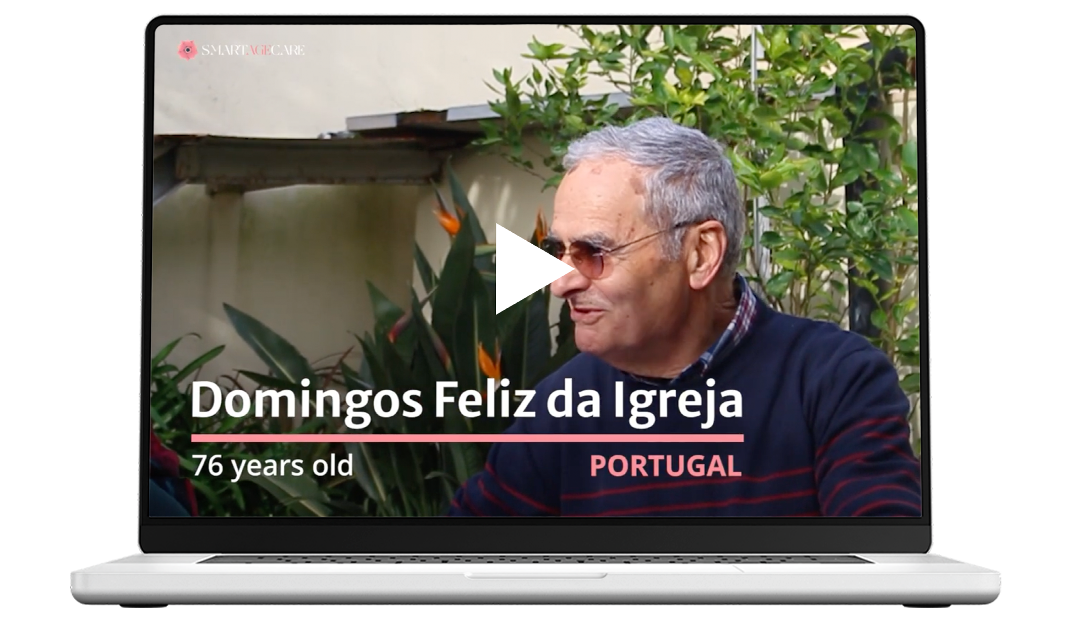
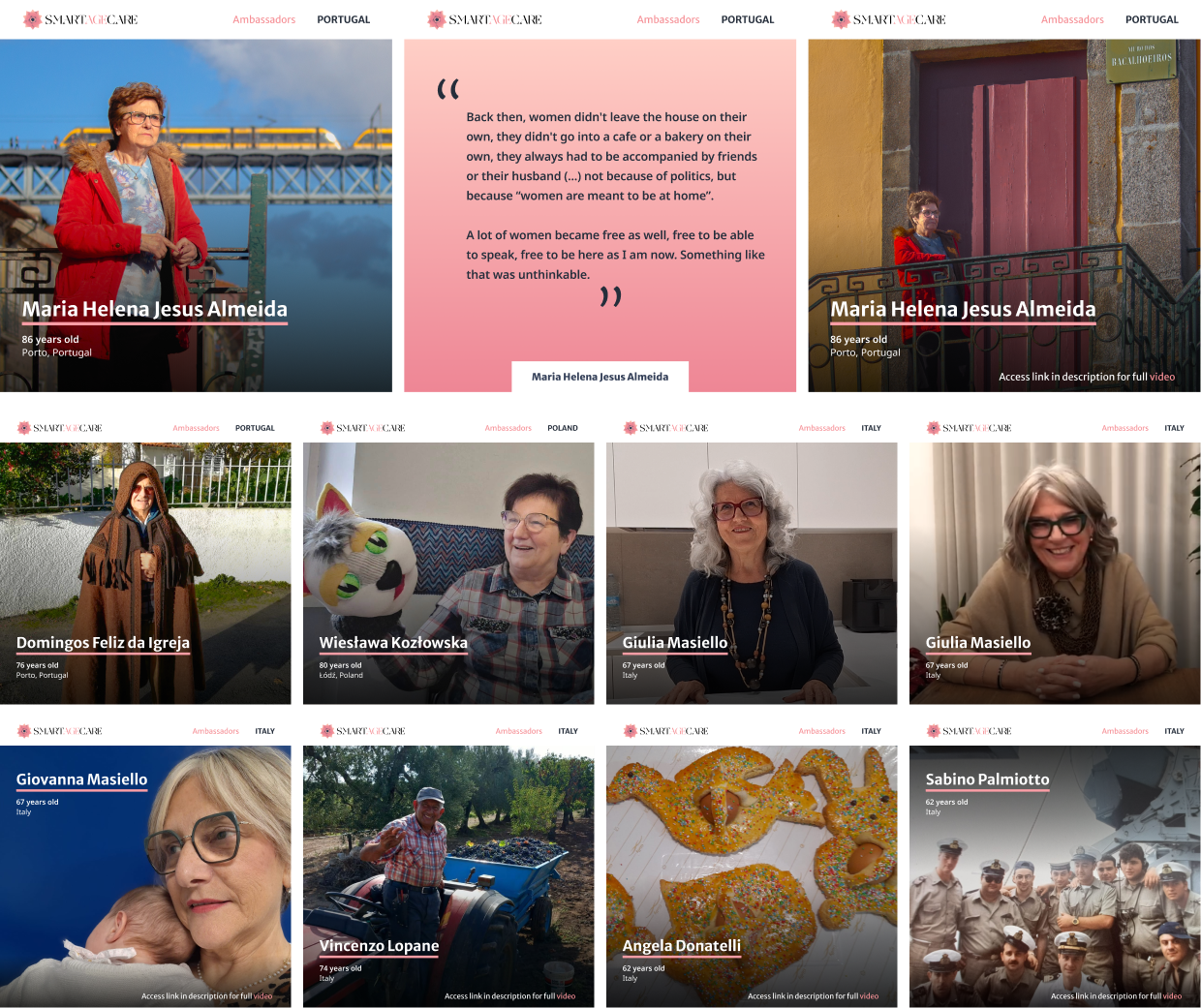
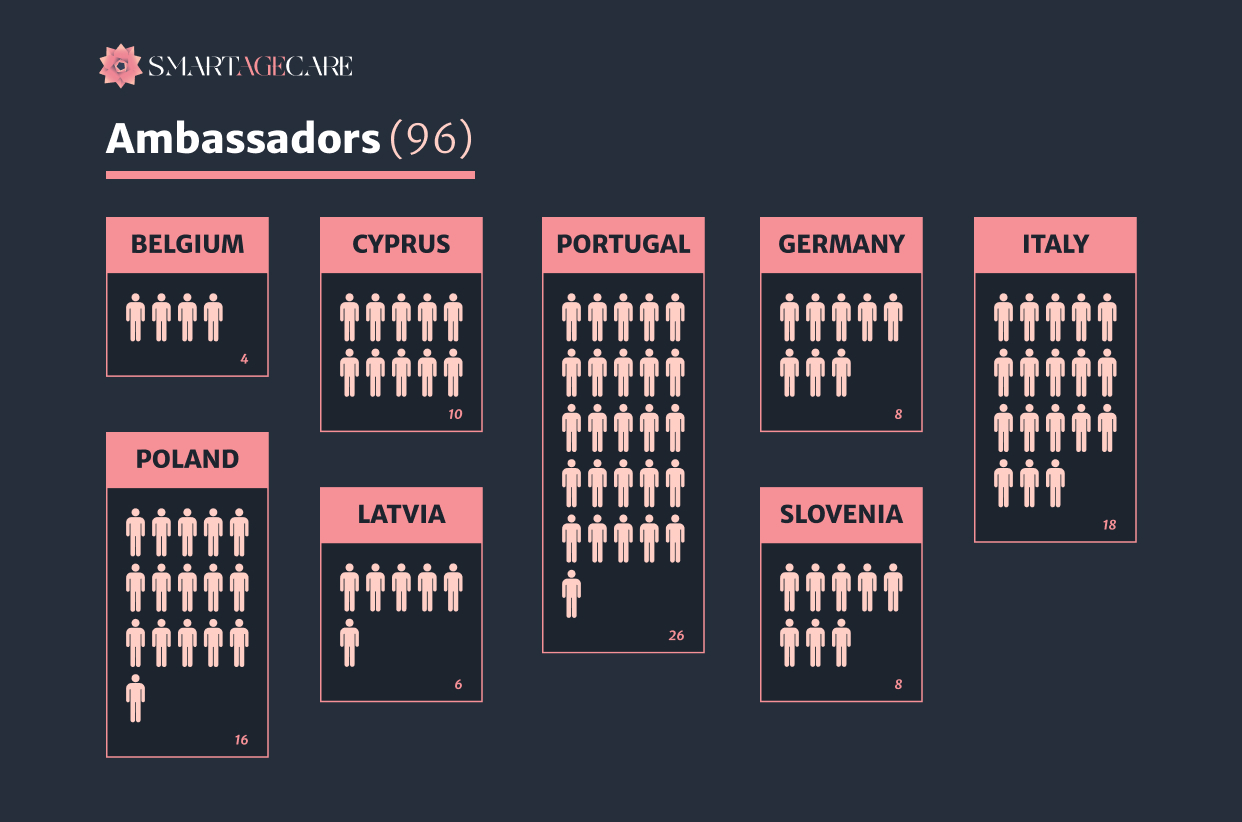
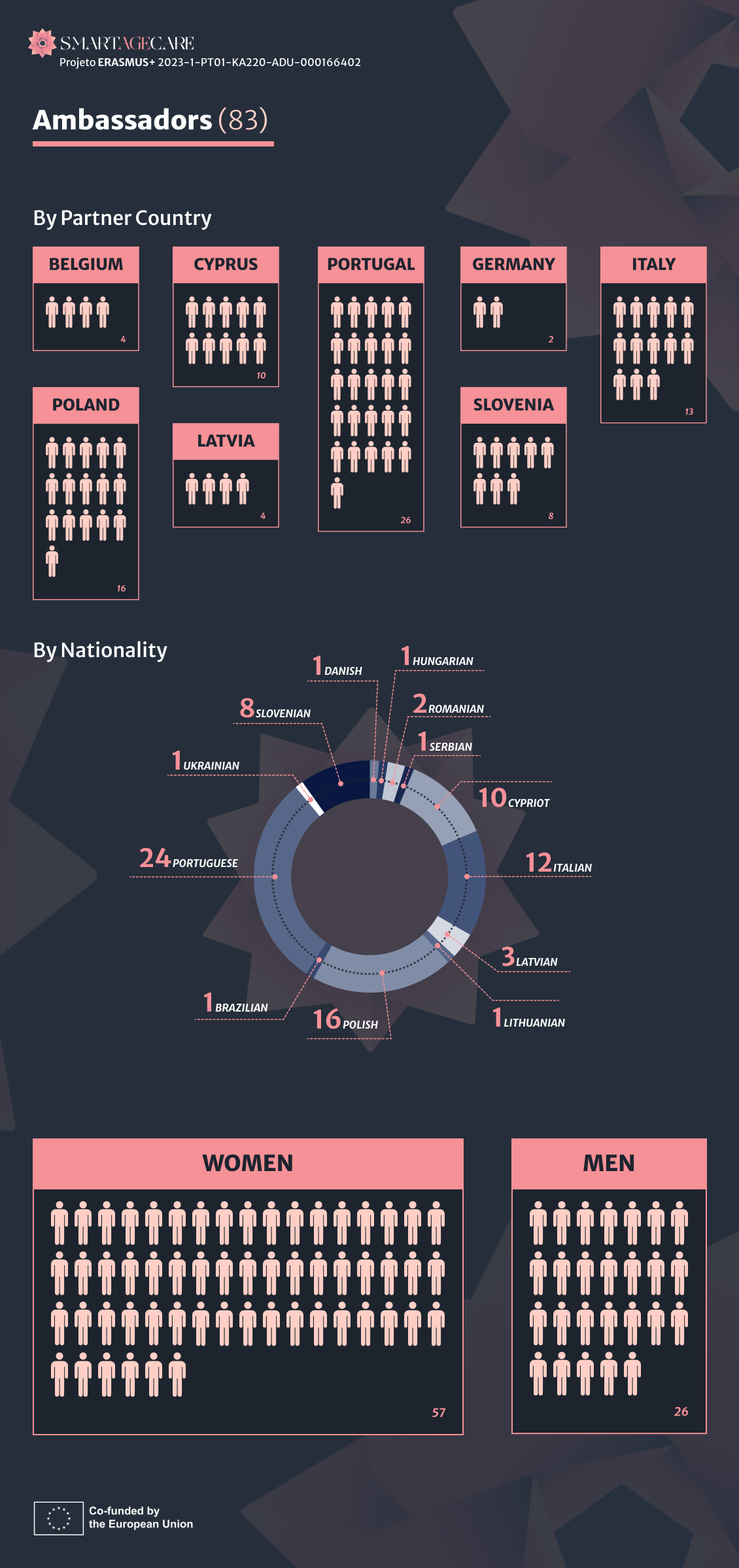
The SMARTageCARE Ambassadors are older adults actively engaged in promoting digital inclusion, active ageing, and community participation within the project. To support their visibility and share their experiences, social media content and YouTube interview videos were created, highlighting their voices, stories, and role within the SMARTageCARE community.
Advisory Board
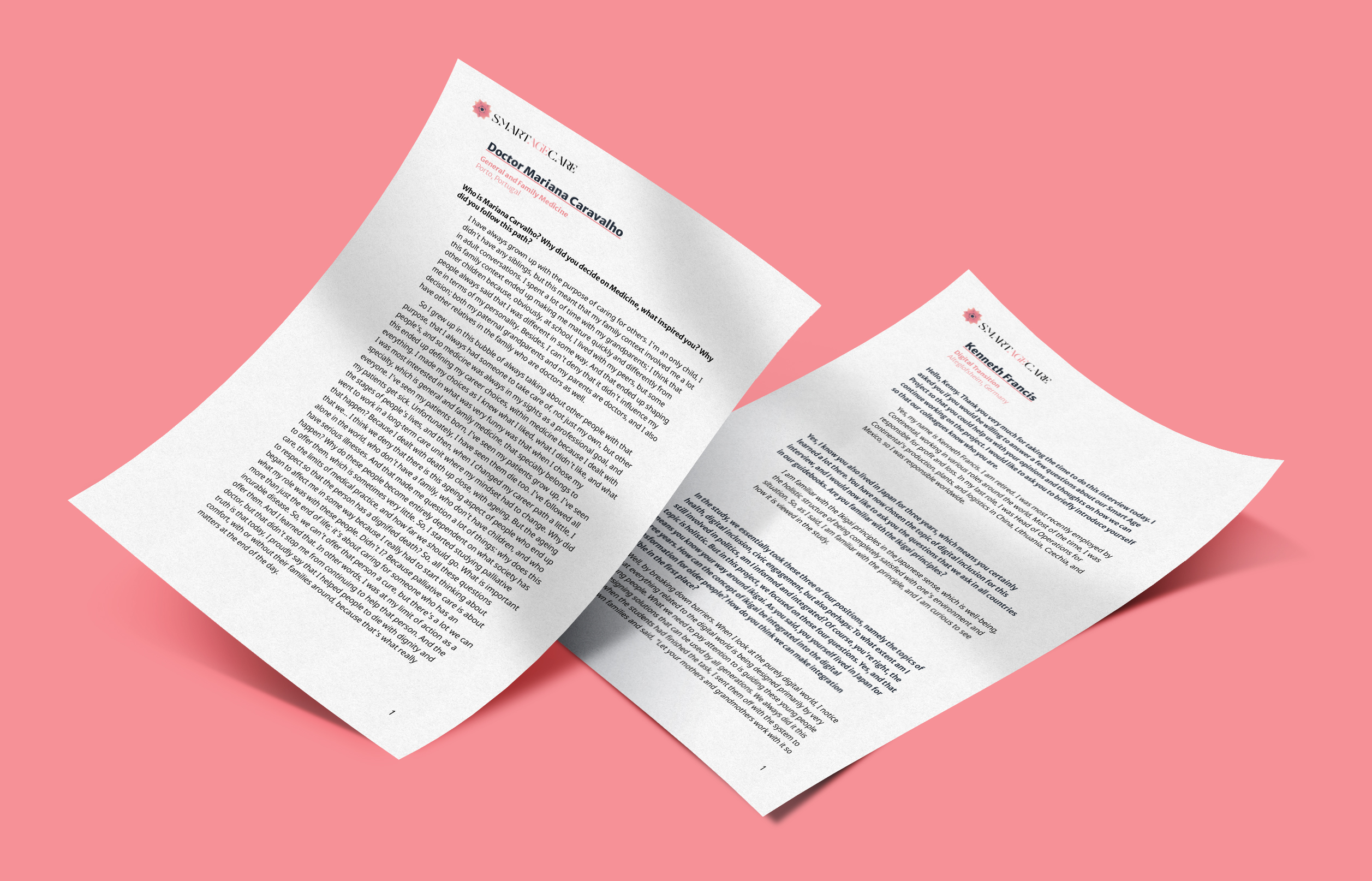
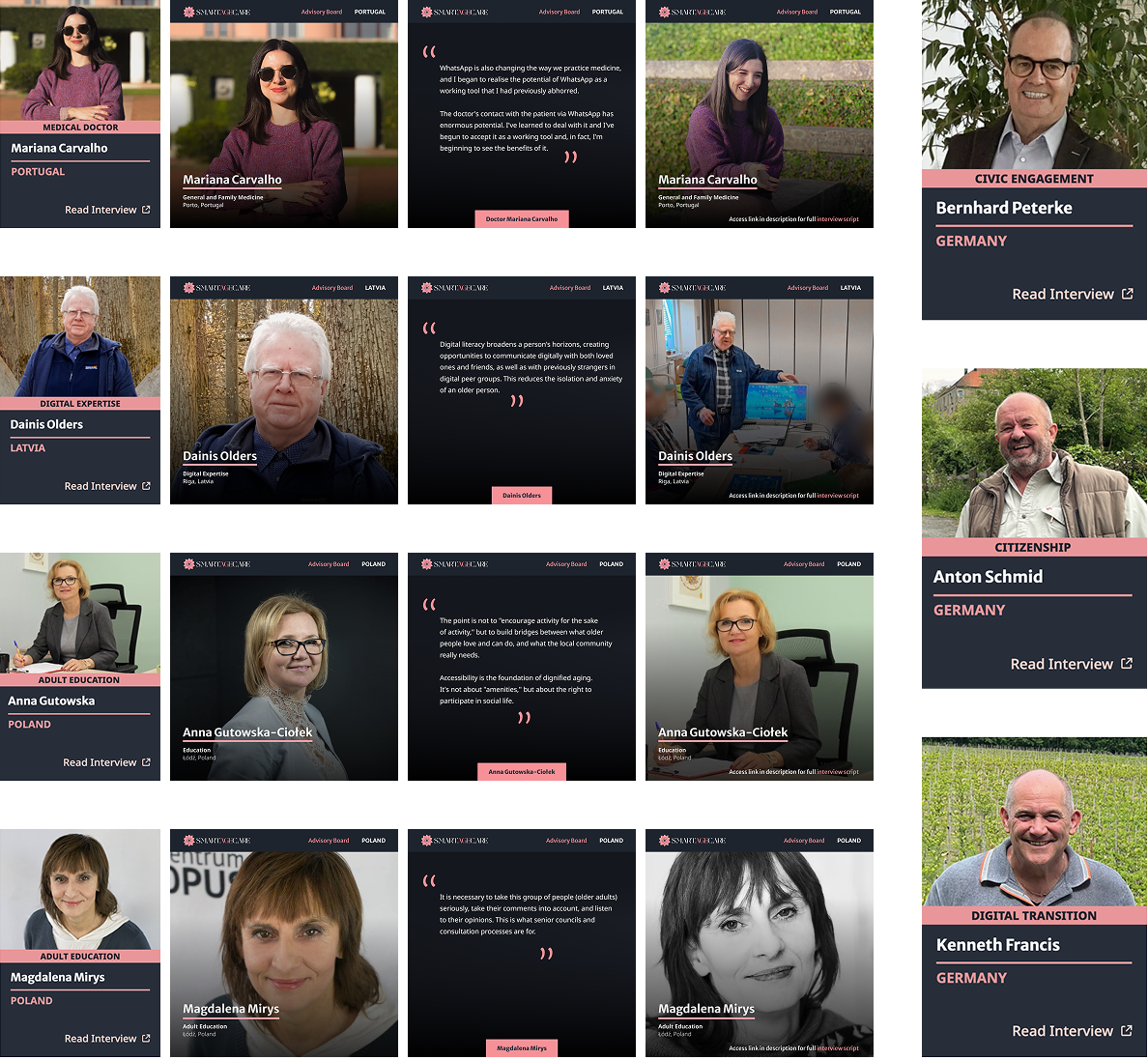
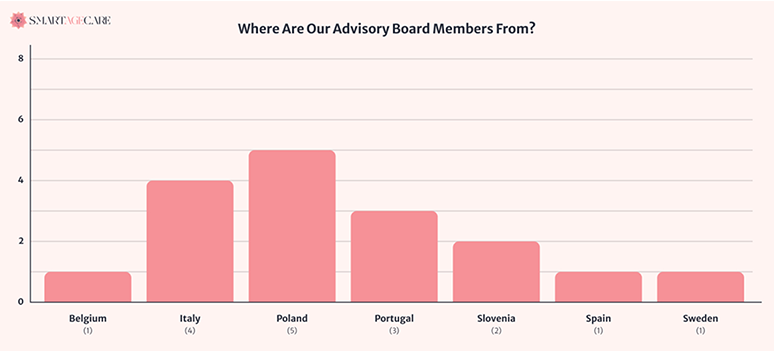
The SMARTageCARE Advisory Board brings together recognised experts in ageing, healthcare, education, digital inclusion, and social innovation who contribute strategic guidance and specialised knowledge to the project. Their involvement strengthens the project’s credibility, supports the development of impactful outcomes, and helps ensure that SMARTageCARE responds positively to the real needs of older adults and communities across Europe.
Affinity Map
Digital Inclusion
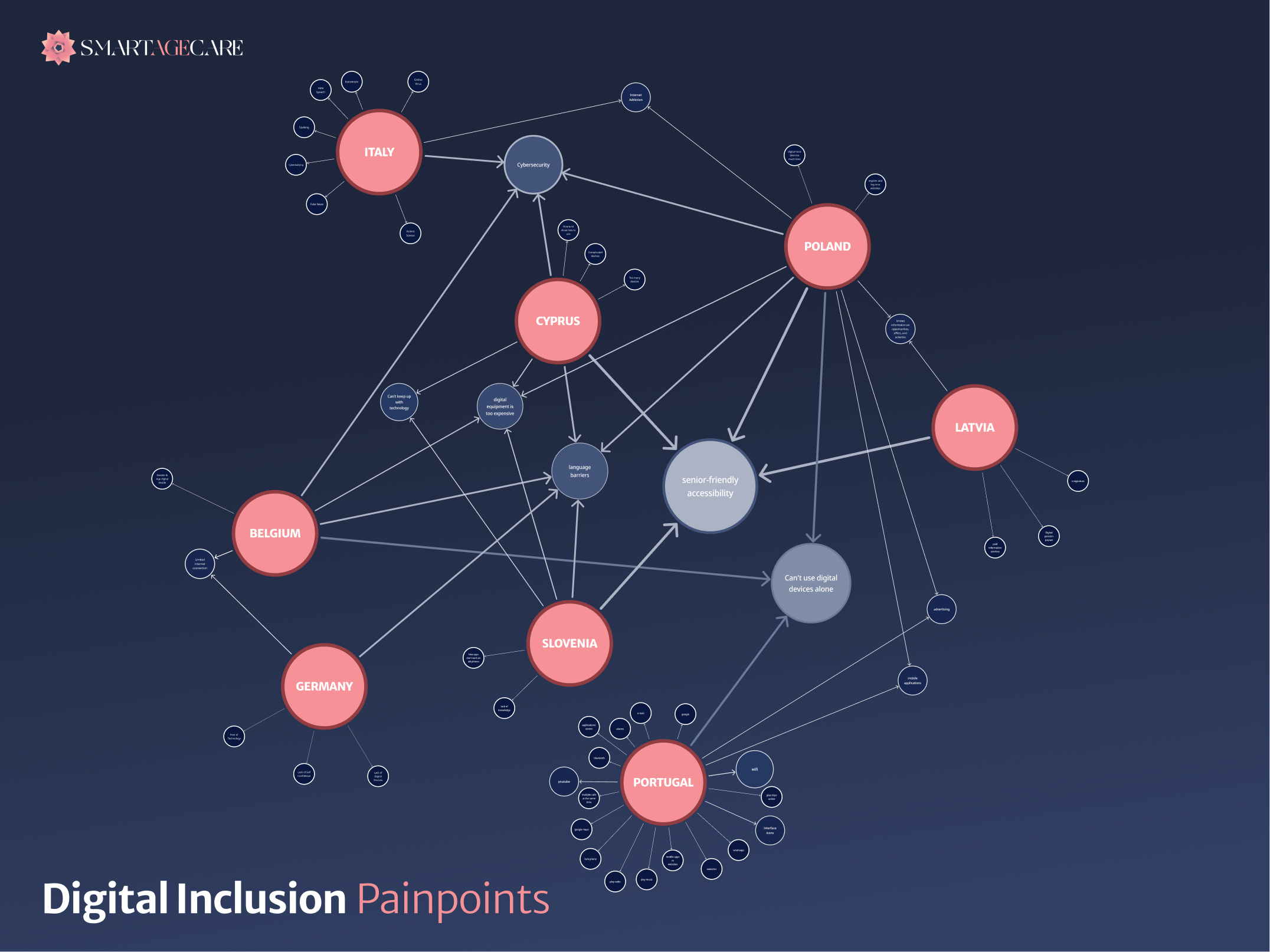
Barriers to digital inclusion vary across countries, including inaccessible designs, high equipment costs, limited internet connectivity, and challenges with understanding digital tools like apps, icons, and registration processes. Many individuals face language barriers, lack of guidance, and cybersecurity risks such as cyberbullying and fake news. Specific issues include limited access to activity information in Germany, overly complex devices in Cyprus, and outdated technology compatibility in Slovenia. The need for affordable, user-friendly technology and improved digital education is evident throughout.
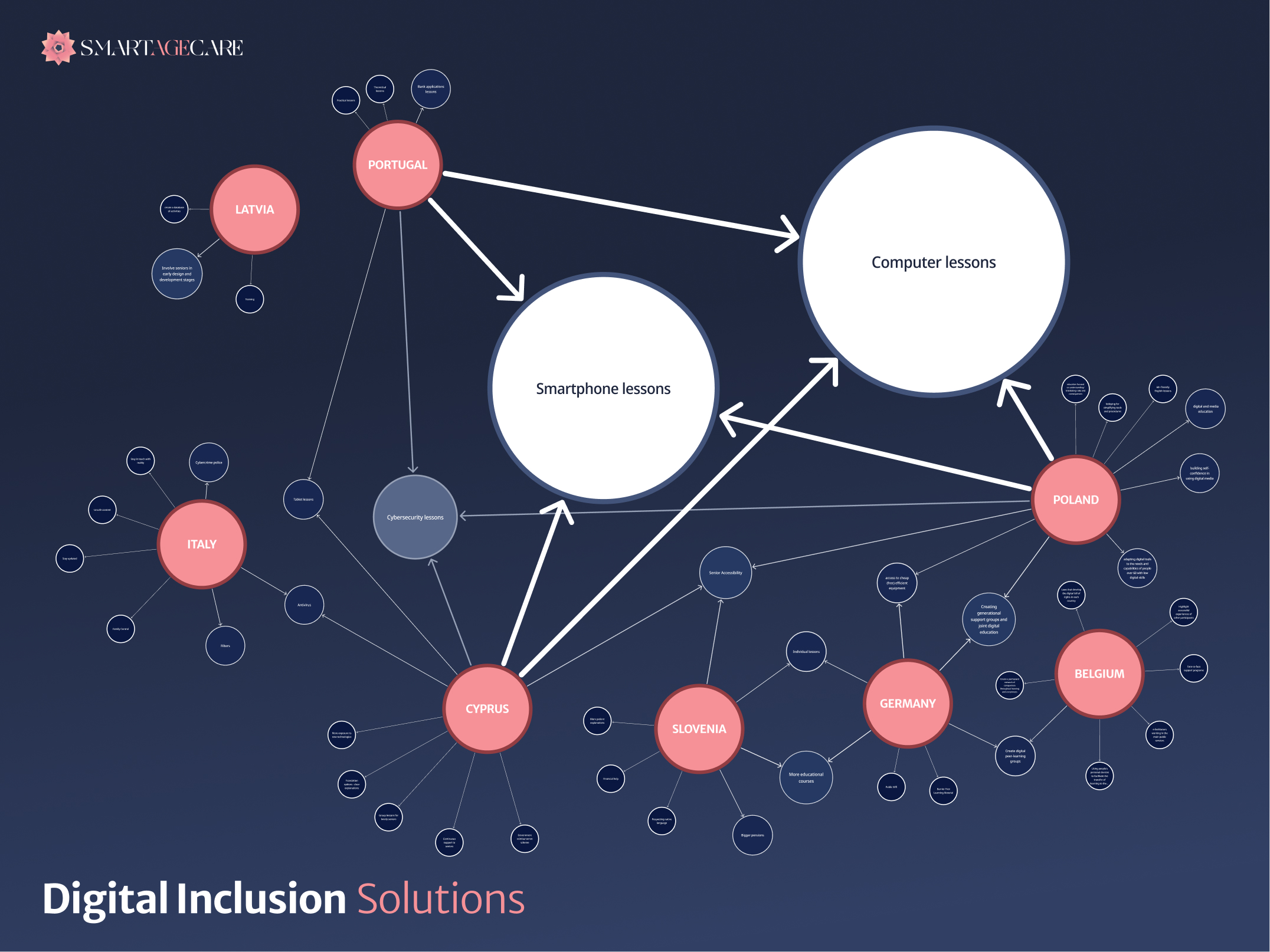
Strategies for digital inclusion focus on accessible education, tailored training, and ongoing support for seniors across Europe, including individual and group lessons on practical digital skills, peer-learning networks, native language support, and tools adapted for low digital skills. Emphasis is placed on affordable equipment, permanent learning networks, e-facilitators in public services, simplified tools and procedures, cybersecurity education, involving seniors in design processes, and fostering generational support for collaborative digital learning.
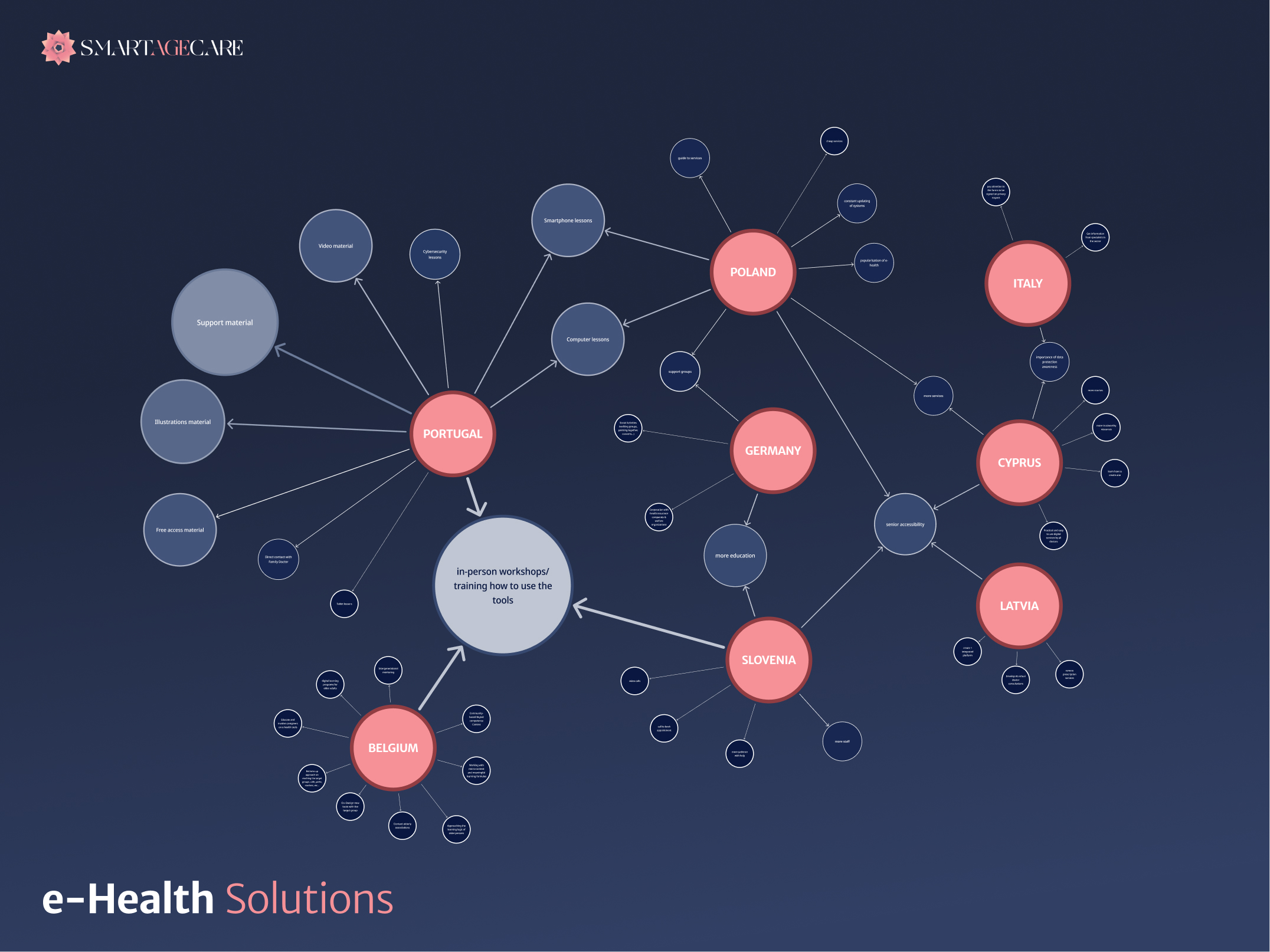
E-Health
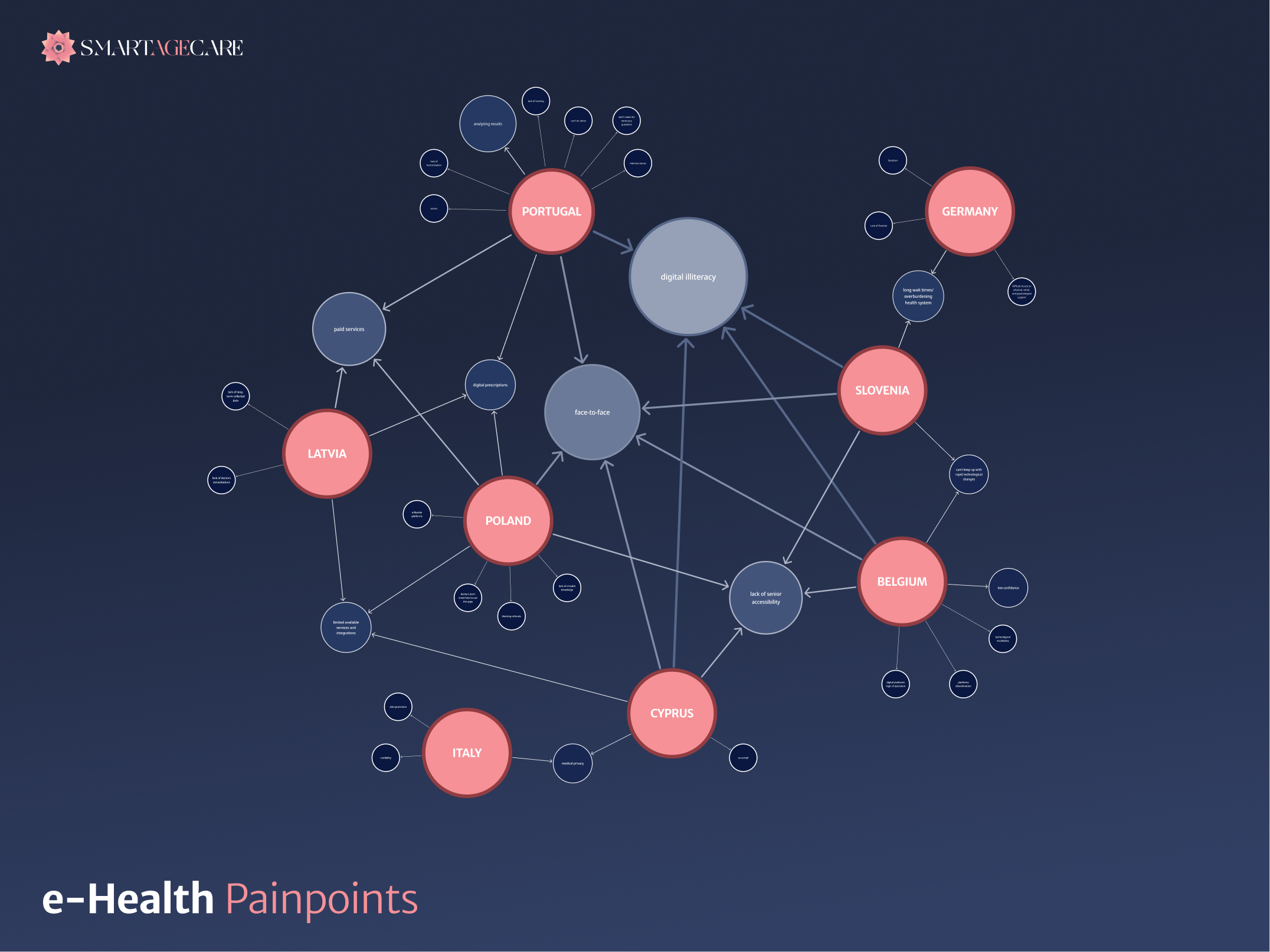
Challenges in e-health adoption include technological vocabulary barriers, lack of platform dissemination and logic understanding, low confidence, and digital illiteracy. Issues such as limited services, inflexible platforms, and inadequate training hinder usability, while concerns about medical privacy, data protection, and credibility affect trust. Additional obstacles include scams, senior accessibility, memory issues, long wait times, and the inability to navigate systems independently. Doctors often lack e-health app knowledge, consultations are insufficient, and systems fail to humanize care or adapt to rapid technological changes. Paid services and blocking referrals further complicate access for seniors.
Proposed e-health solutions include co-designing tools with seniors, offering digital learning programs, and conducting in-person workshops to teach tool usage. Initiatives emphasize intergenerational mentoring, educating caregivers, and creating community-based digital competence centers. Practical approaches involve reaching seniors in everyday spaces, providing easy-to-use services, ensuring privacy and data protection, and developing AI virtual consultations and remote prescription services. Suggestions include increasing education, providing accessible materials like videos and illustrations, offering affordable and free services, and integrating constant system updates. Support includes direct contact with family doctors, video calls, support groups, and patient-focused assistance.
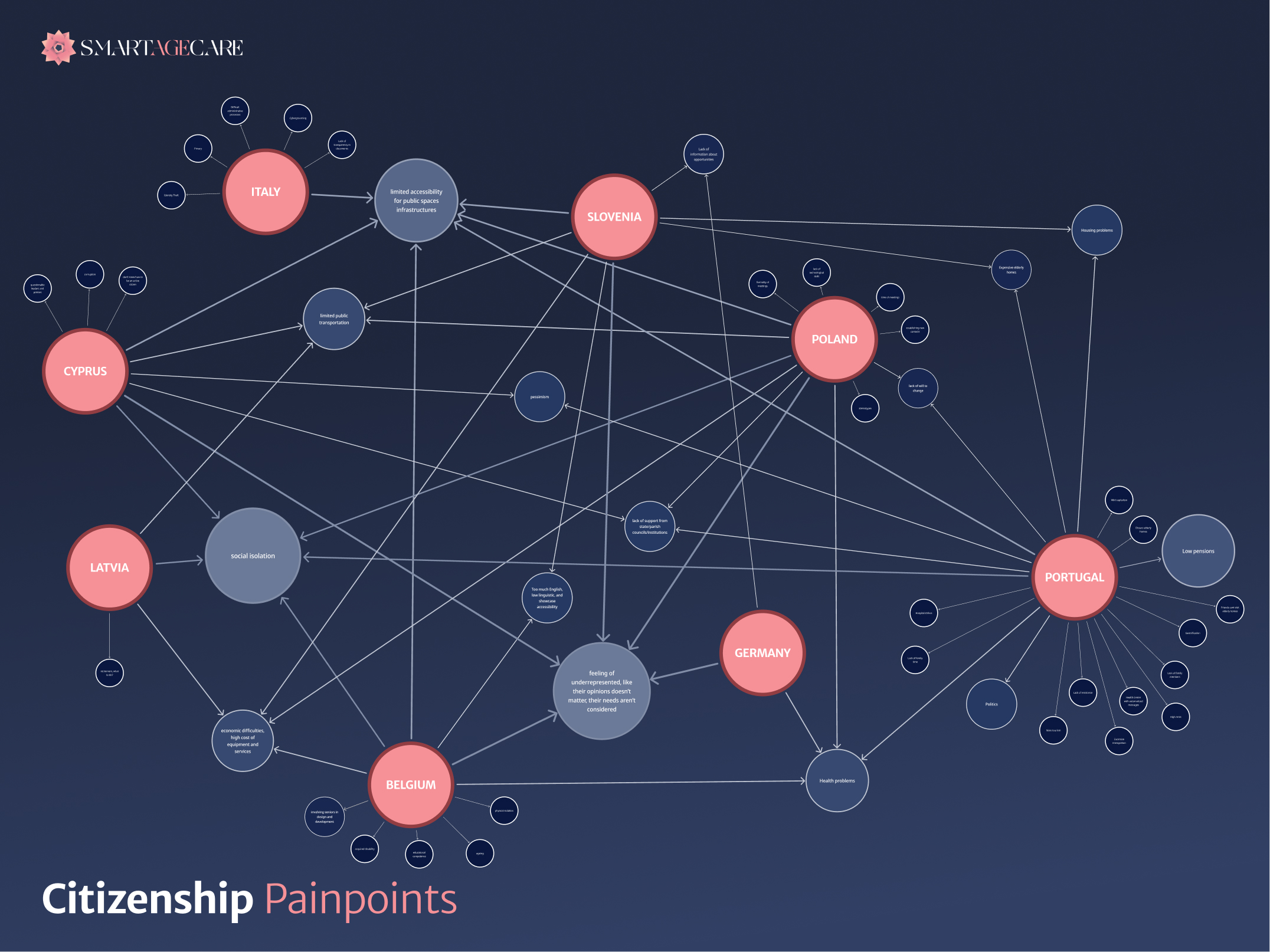
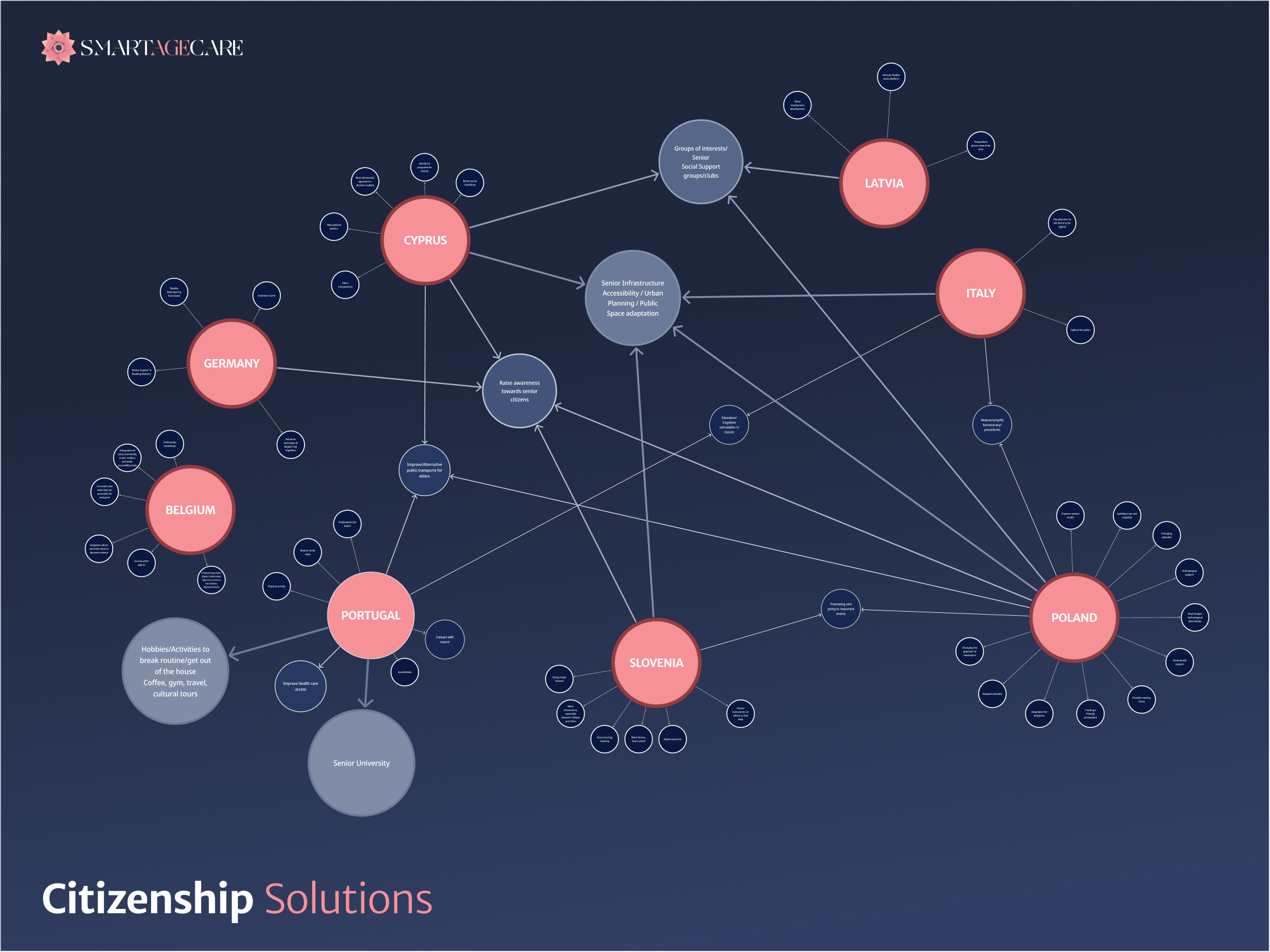
Citizenship
A detailed look at societal and administrative challenges across Europe, focusing on high service costs, social and physical isolation, limited state support, corruption, and inefficiencies. It addresses issues like identity theft, accessibility barriers, health concerns, low pensions, gentrification, and stereotypes, alongside broader struggles such as immigration, inadequate infrastructure, and mass tourism. Seniors face specific difficulties, including costly and distant elderly care, health center inefficiencies, and a sense of underrepresentation, all contributing to feelings of pessimism and resistance to change.
A comprehensive examination of societal challenges and actionable solutions across Europe, addressing economic hardships, social isolation, health concerns, and administrative barriers. It outlines strategies such as empowering digital ambassadors, improving urban accessibility, simplifying bureaucracy, and fostering community workshops. Additional measures include raising pensions, enhancing healthcare, promoting cultural and physical activities, combating cybercrime, and fostering connections across generations, all aimed at creating inclusive, empathetic, and supportive environments for citizens, especially seniors.
User Scenarios
Teresa often feels lost when using medical apps or speaking with her doctor during online appointments. She gets confused with unclear interfaces and the steps required to book or attend online doctor appointments. However, she is motivated to learn more about digital access to healthcare.
At the Senior University, Teresa was introduced to the SmartAgeCare toolkit and its activities. That day, each student received a character card describing fictional health issues, symptoms, and health situation. Teresa’s task was to record a video as if she were speaking to a doctor online. She had to practice holding the phone, camera position, and paying attention to important aspects of the video appointment, such as explaining the symptoms and showing relevant areas on the camera.
Although she felt embarrassed at first, she quickly grew more confident and aware of what she needed to do. After everyone finished their recordings, the group reviewed and discussed the videos together. With guidance from the facilitator, they all highlighted the positive aspects and what could be improved, helping participants become more prepared for future online appointments.
Daniela is a professor at a Senior University, where she teaches two classes of older adults. Although both groups are made of seniors, one class is older and less digital literate. After learning about the SmartAgeCare project and its toolkit, designed to empower older European adults with engaging activities, shd immediately recognized the material’s potential to be used her classes.
On the day Daniela had the two classes, Daniela introduced the toolkit to them. She explaining that throughout the semester, they would participate in a series of activities and games designed to strengthen their understanding of the key themes , such as “Digital Transition”, “Citizenship”, and “e-health”. She showed the classes some examples of the activities and games.
Daniela shared her hope that by using the toolkit, the students would be able to improve their digital skills, become more active, confident and aware citizens, and better understand the topic of digital health. She also aims at creating a friendly, supportive, and stimulating learning environment, where the students could feel motivated and engaged.
Manuel is a grandfather and he had a full day to spend with his grandkids, who are constantly on their phones. Wanting to do something fun together, he decided to try some games he had learned about at his Senior University from the SmartAgeCare Toolkit. With the help of the kids, Manuel visited the Toolkit’s website and printed two games: “Guess the App” and “Online Safety”.
After going through the rules on how to play the game, Manuel gathered is grandkids and started the first game. together, they took turns asking questions to guess the mobile application or website shown on each other’s cards. After several rounds, one of the grandchildren won the game by guessing the most cards, and they all decided to go onto the second game.
While playing “Online Safety”, Manuel’s grandkids proved to be strong players, quickly answering all questions about cybersecurity. They also helped Manuel with some tricky questions, explaining concepts and guiding him through the answers.
After a full afternoon of laughing and playing with his grandkids, Manuel’s daughter arrived to pick up the children. Once they left, Manuel stayed in the living room, going through the cards again and taking time to learn more about mobile apps and cybersecurity on his own.
Rajko was on his way to the Senior University with a friend when the bus got delayed. While waiting, they both manifested their disappointment with one another. With the delay of the bus, they both took the time to talk with one another and what is going on on their lives, how their pensions are low while general prices go up, how the public transportation doesn’t work well on their areas and even about their health issues. After the bus arrived, they kept conversing during the ride.
Upon arriving at their class, their professor announced that the day’s session would focus on the topic of “Citizenship”. the first activity was “Community Mapping”. Working in a group, Rajko helped create a visual map of the group’s community, marking local shops, public services, and other relevant places. The professor then asked each group to add sticky notes highlighting positive and negative aspects of these community spaces. Remembering the conversation he had earlier at the bus stop, Rajko began listing the issues that have been bothering him.
Once the map was complete, the class moved into an opened discussion about the community, how people feel about where they live, what concerns they share, and what changes could be made to start improving their social and community environment. Through this discussion, Rajko gained a deeper understanding of the issues affecting his community and began to see potion improvements.
To finish the session, the Professor introduced a second activity, “Who decides?”. The group was presented with a series of community scenarios, and asked to identify who has the power to make those decisions. As the discussion progressed, the professor encouraged the group to think about how these power dynamics affect their daily lives and what influence they can have on the decisions. Rajko started reflecting on the issues he had talked about earlier at the bus stop, and began to see how decision-making processes connect to those problems. The activity helped him recognize now only who holds power and who gets make the important decisions.
User Persona


Rajko Ostronič
78 years old, Slovenia
Description — CITIZENSHIP
- Facing isolation, reduced mobility, and financial challenges, he finds joy in gardening, nature, and wellness classes. He aspires to live actively, connect with others, and strengthen bonds with family and friends.
Struggles
- Feeling isolated and alone
- Expensive and unsuitable dental services
- Lack of public transportation options in his area
- Overcrowding due to tourism and immigration
- High housing costs and low pension
- Reduced mobility and physical limitations
- Low digital literacy
Interests
- Attending cognitive stimulation and wellness classes
- Spending time outdoors in the nature
- Taking care of his garden
- Participate in hydro-gymnastic classes
Ambitions
- Live an active life and improve his mobility
- Be an active member of society
- Raise awareness for the rest of society
- Have a more diverse and active routine
Desires
- Spend more quality time with his family
- Enjoy regular outings with friends
- Meet new people and expand connections
- Join and participate in groups of interest
Toolkit
Context
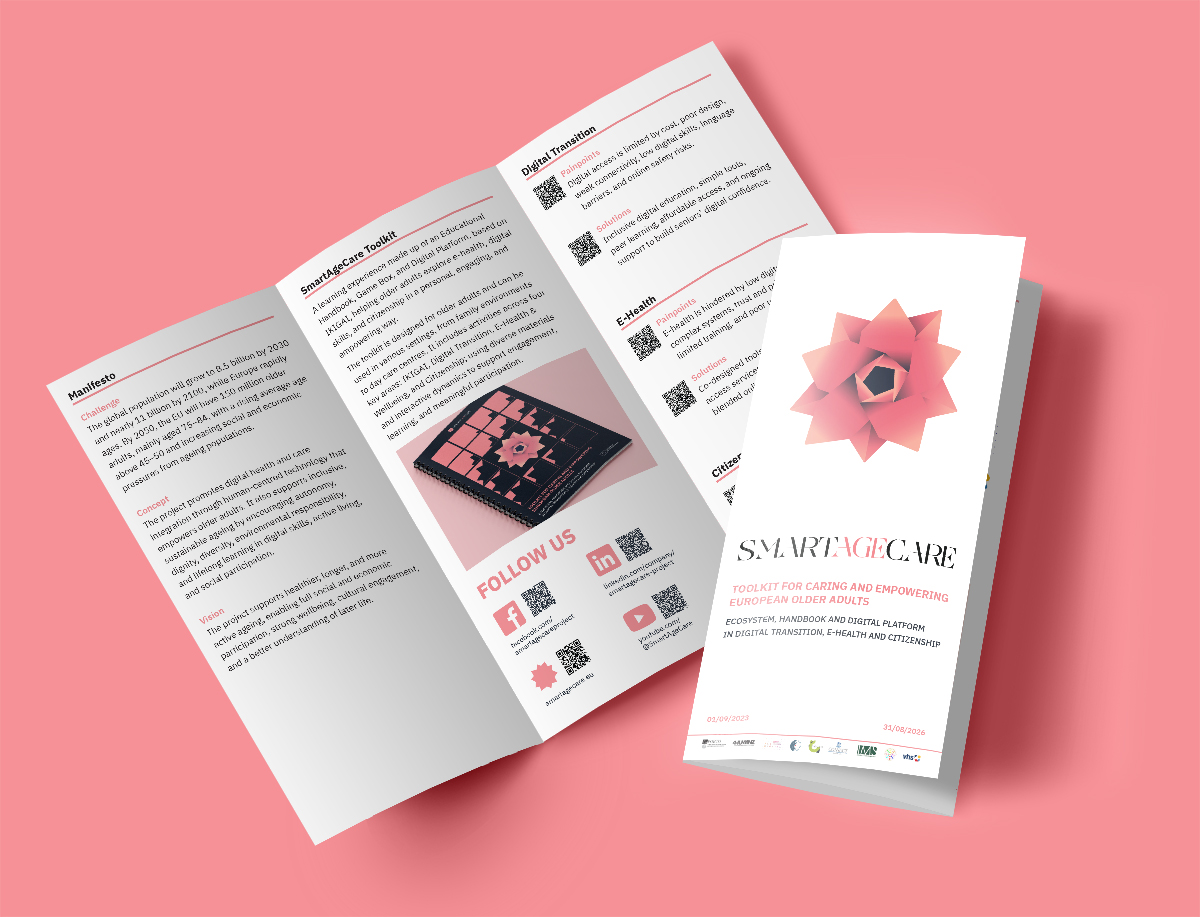
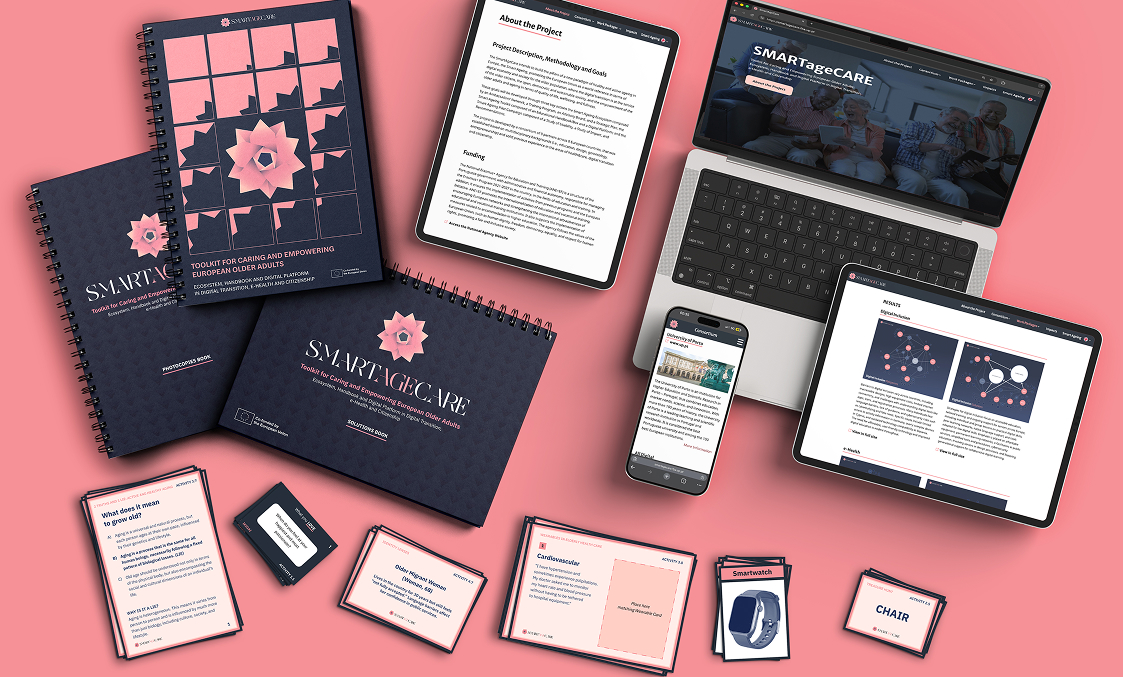
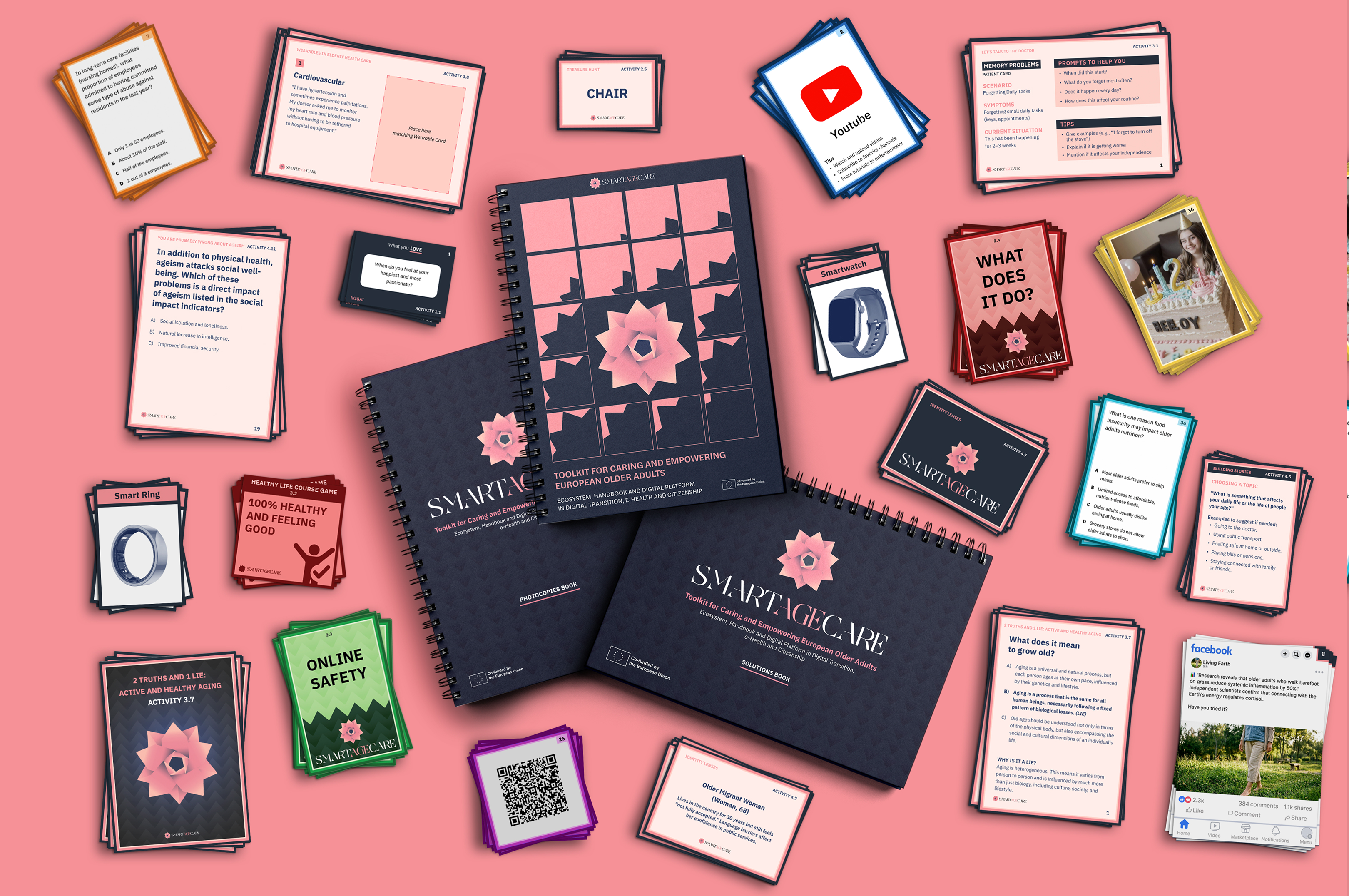
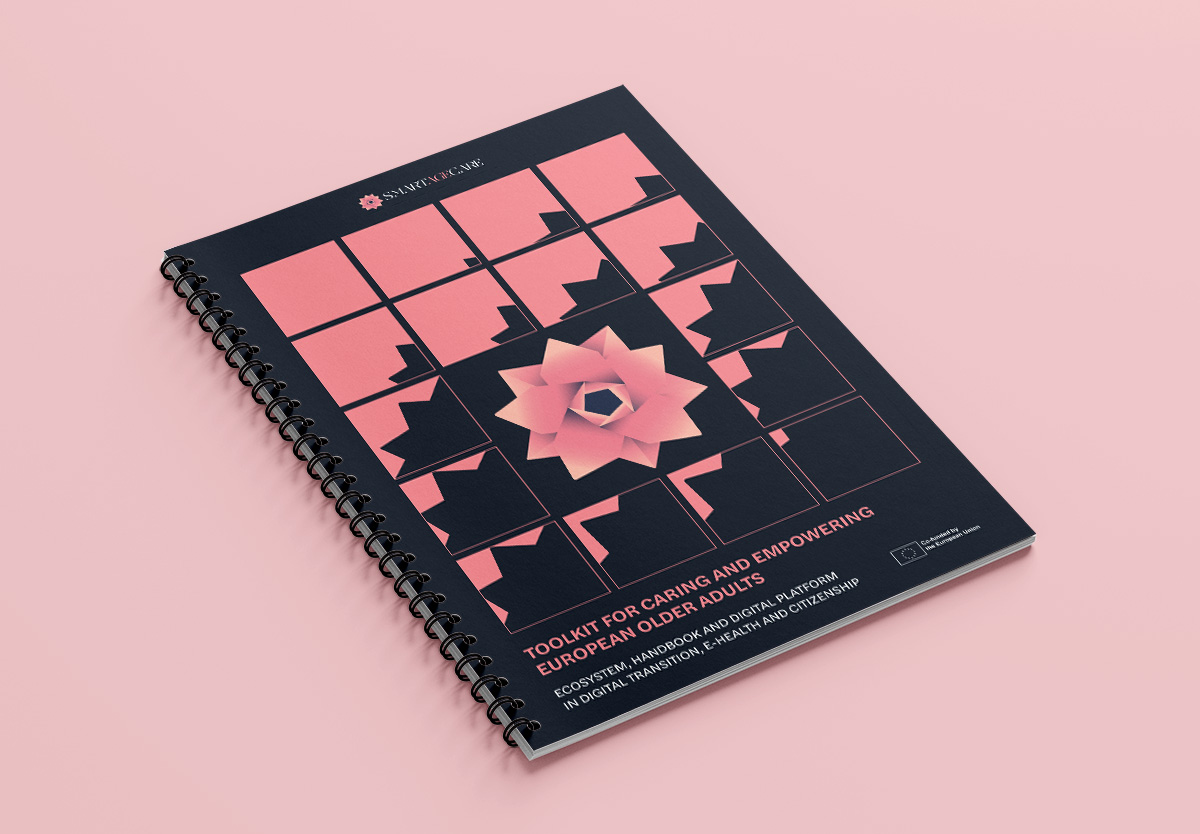
This toolkit includes a range of games and activities designed for older adults, to work with a facilitator, to empower them not only on a personal level, but also to enhance their participation in society, encouraging them to act as active agents who can positively influence both their own lives and the lives of those around them.
The toolkit is also meant to be scalable and adaptable through personalized content. It can be adjusted, by the facilitator, to different social contexts and is intended be used in a variety of settings, such as intergenerational environments, senior universities, older adults gatherings, cultural associations or nursing homes amongst others.
Guide
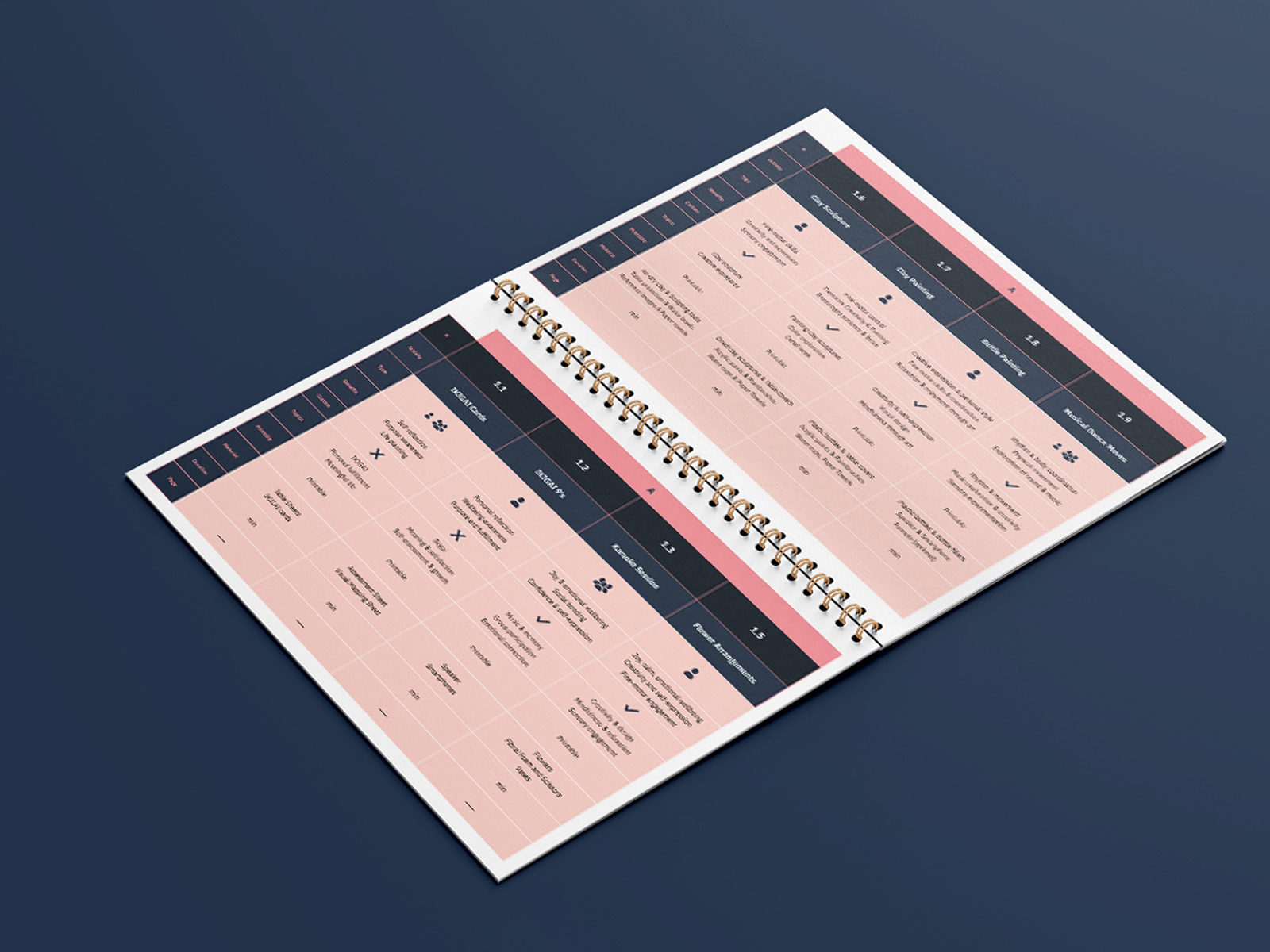
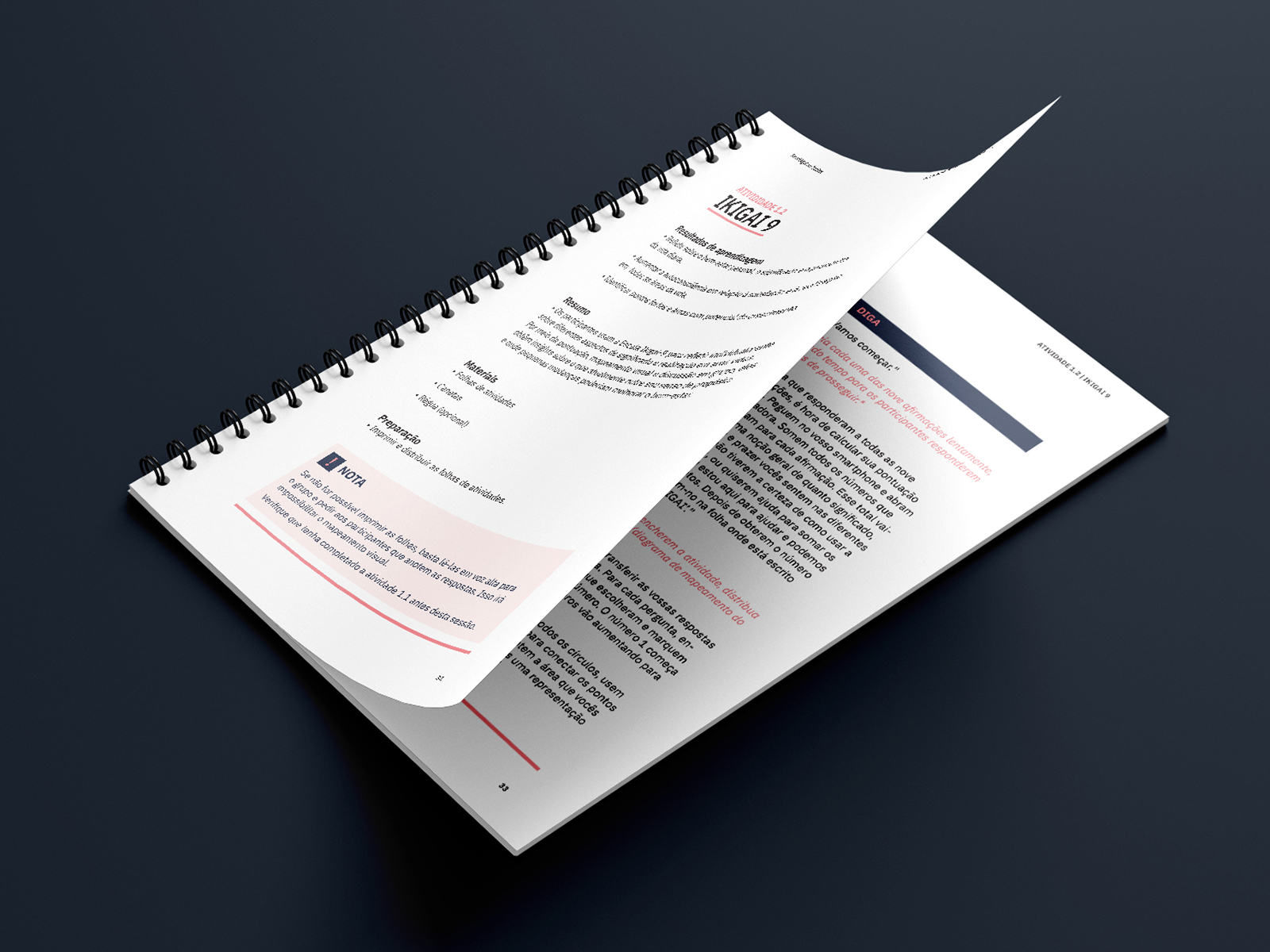
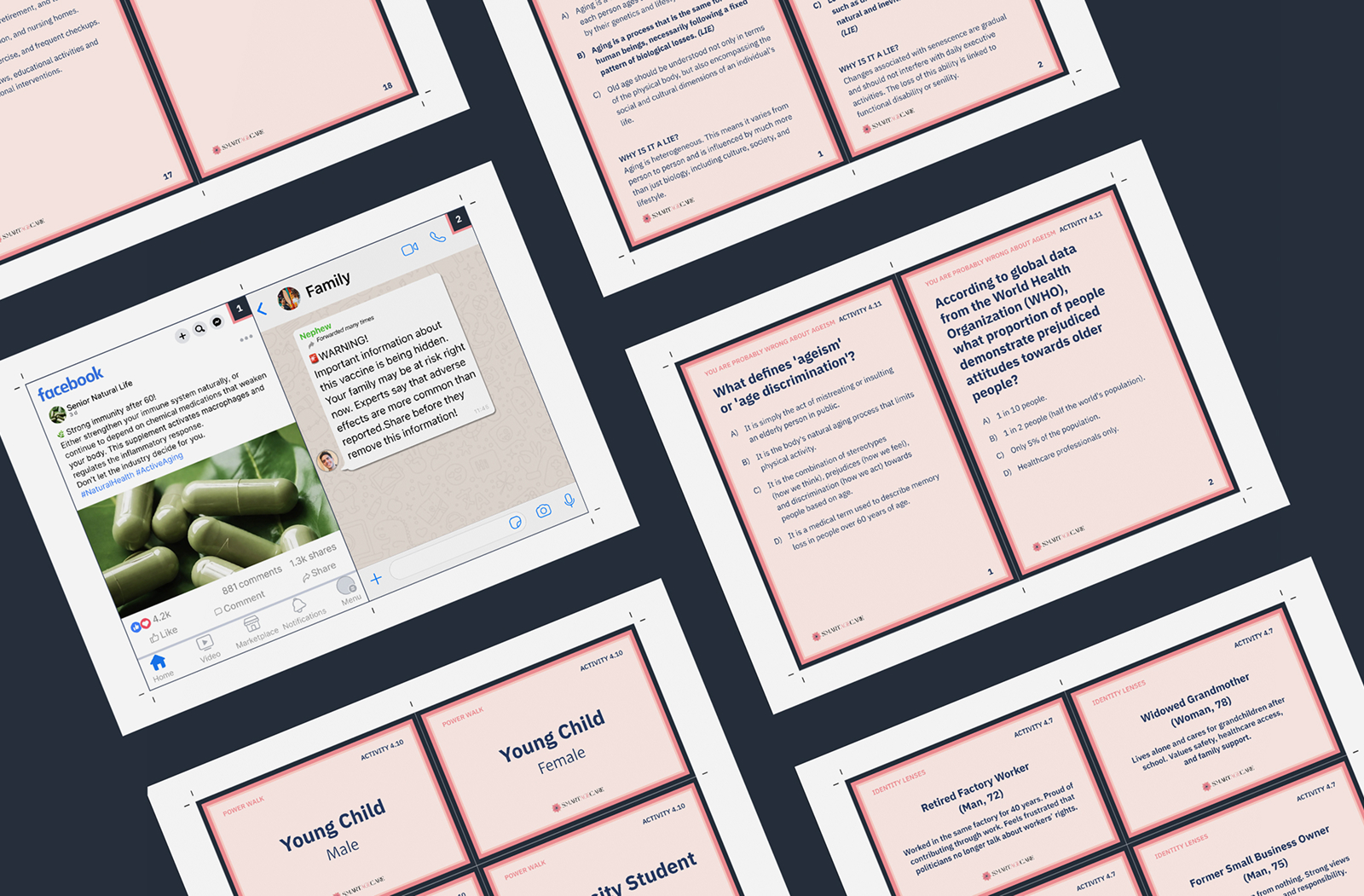
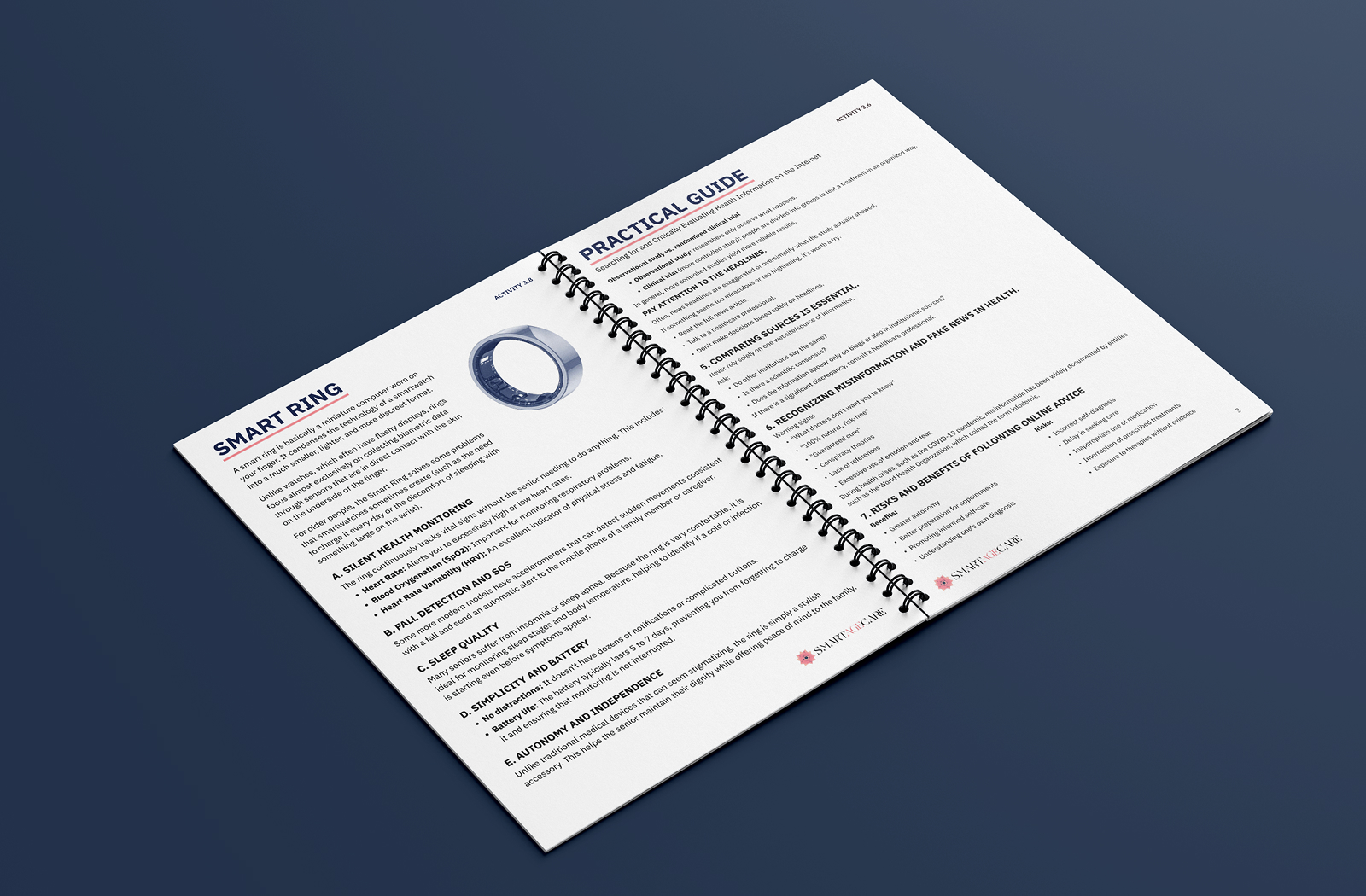
The SMARTageCARE Toolkit Guide is a collection of 40 activities developed across the project’s core pillars: Digital Transition, E-Health and Wellbeing, and Citizenship. Designed to support facilitators and educators, each activity includes learning outcomes, a summary, required materials, setup instructions, activity scripts, and debrief guidance to promote engaging and meaningful participation among older adults.

Activity Material
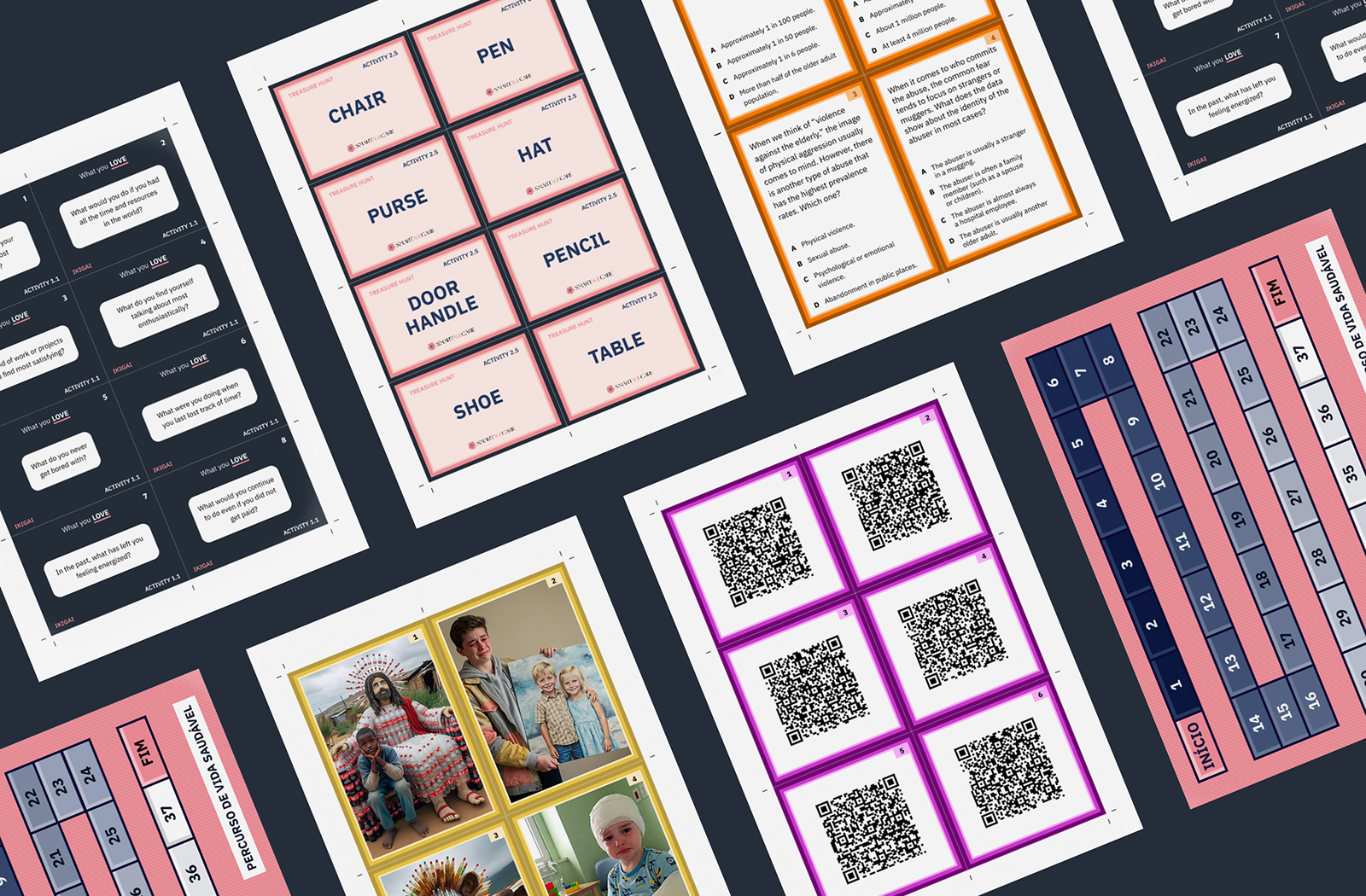
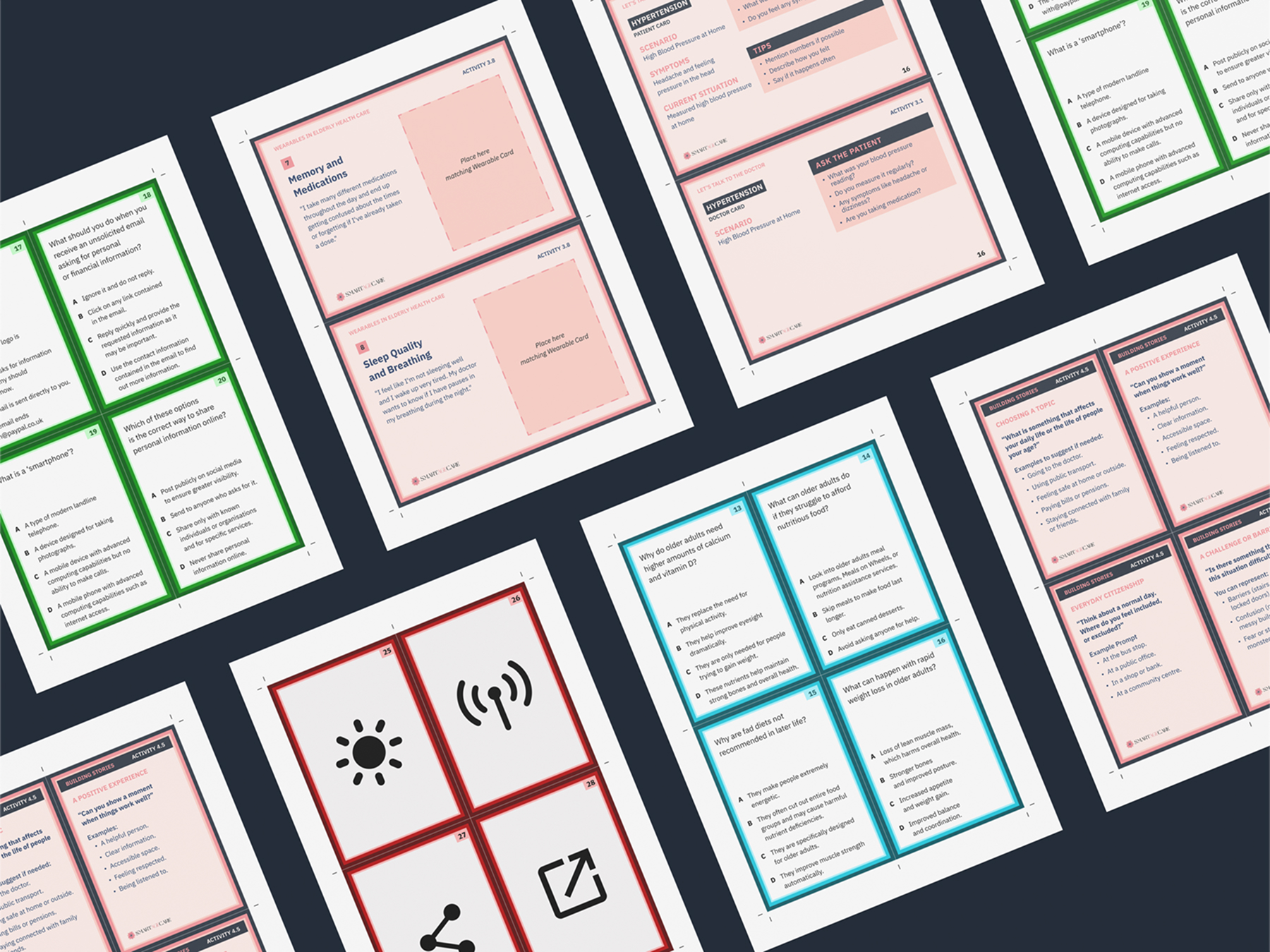
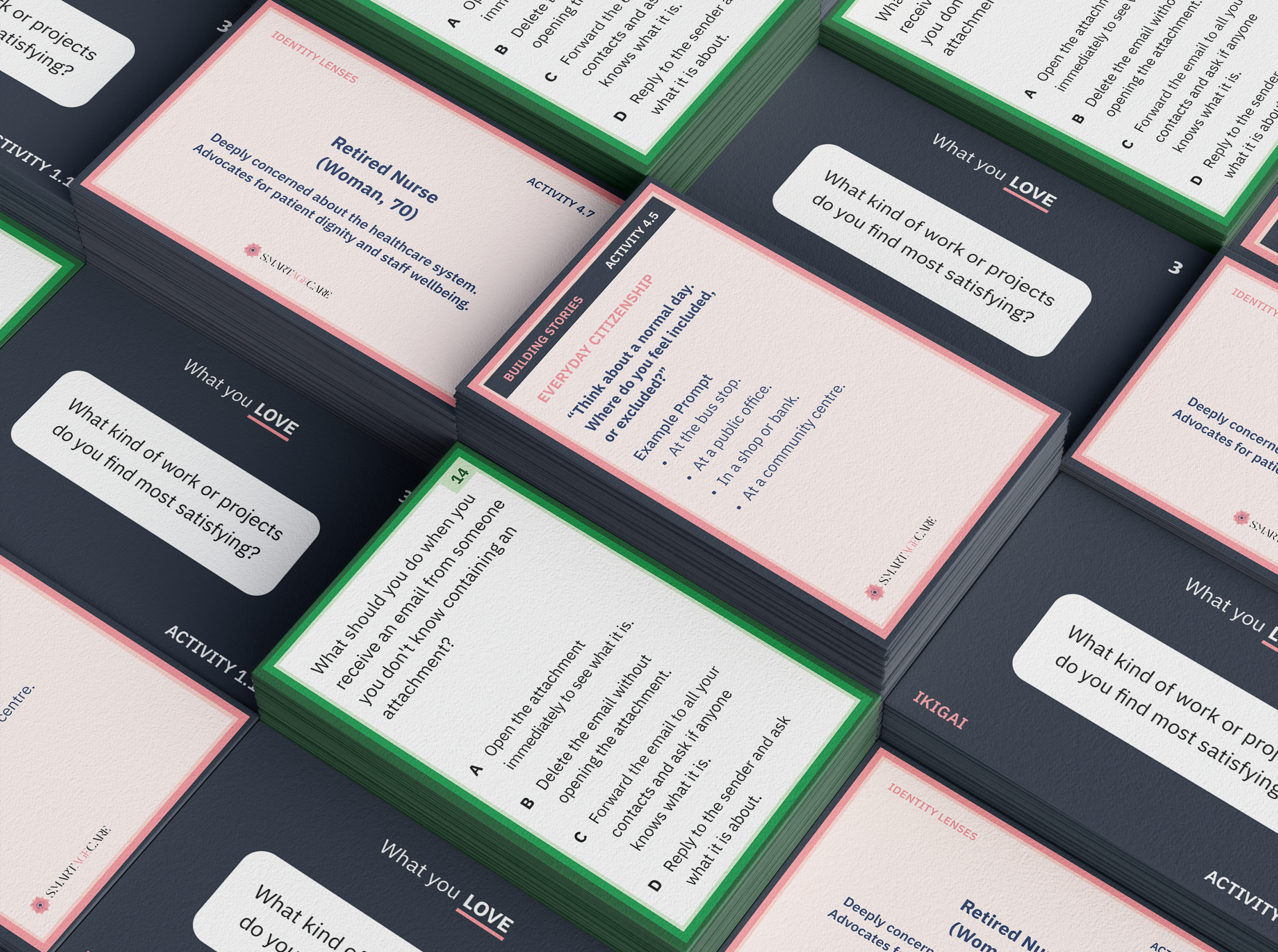
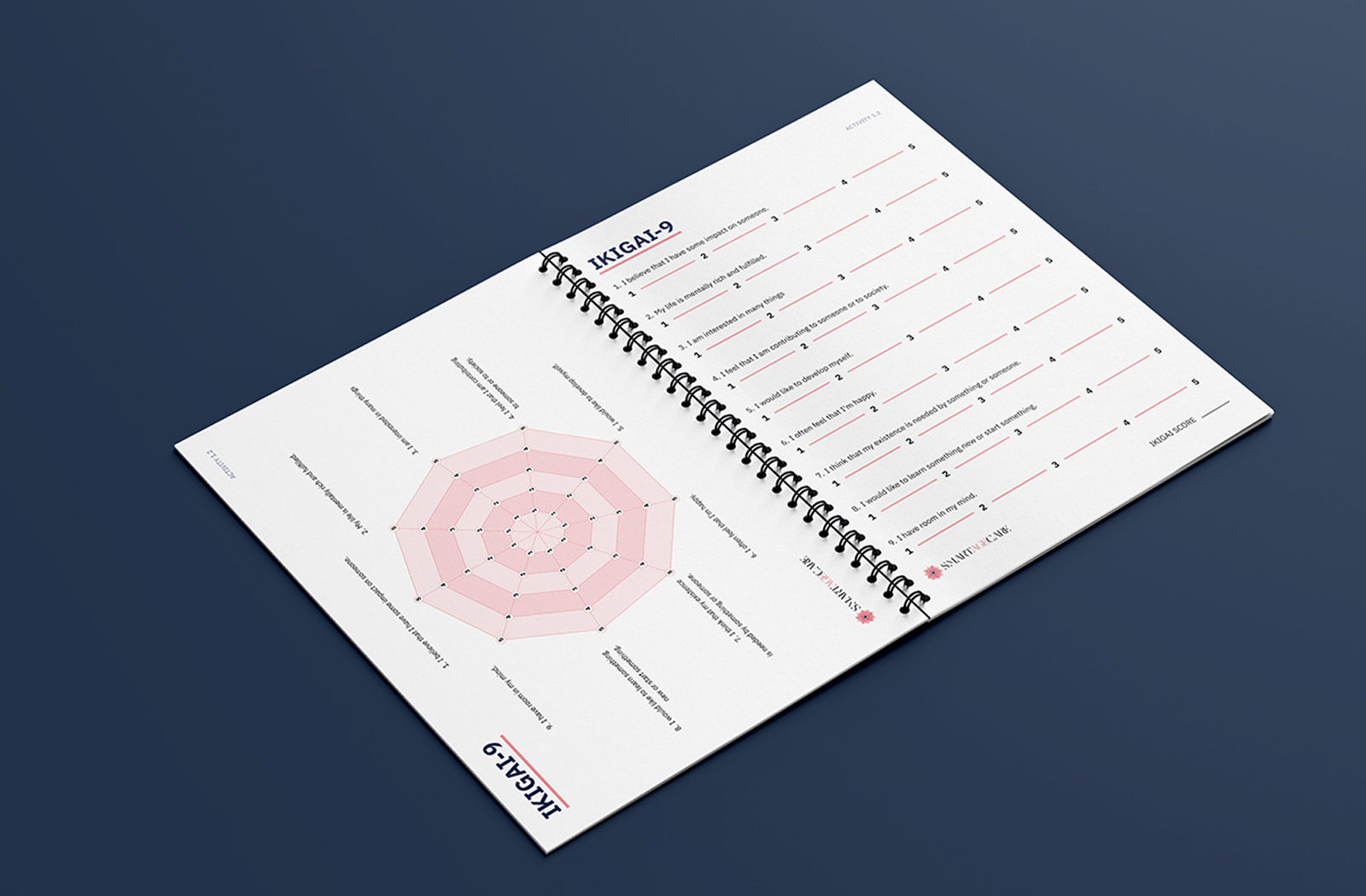
The Material Book accompanies the Toolkit Guide by providing all the physical resources needed to carry out the activities. It includes printable cards, tables, visual supports, and other reusable materials designed to be cut out and prepared by facilitators before each session.



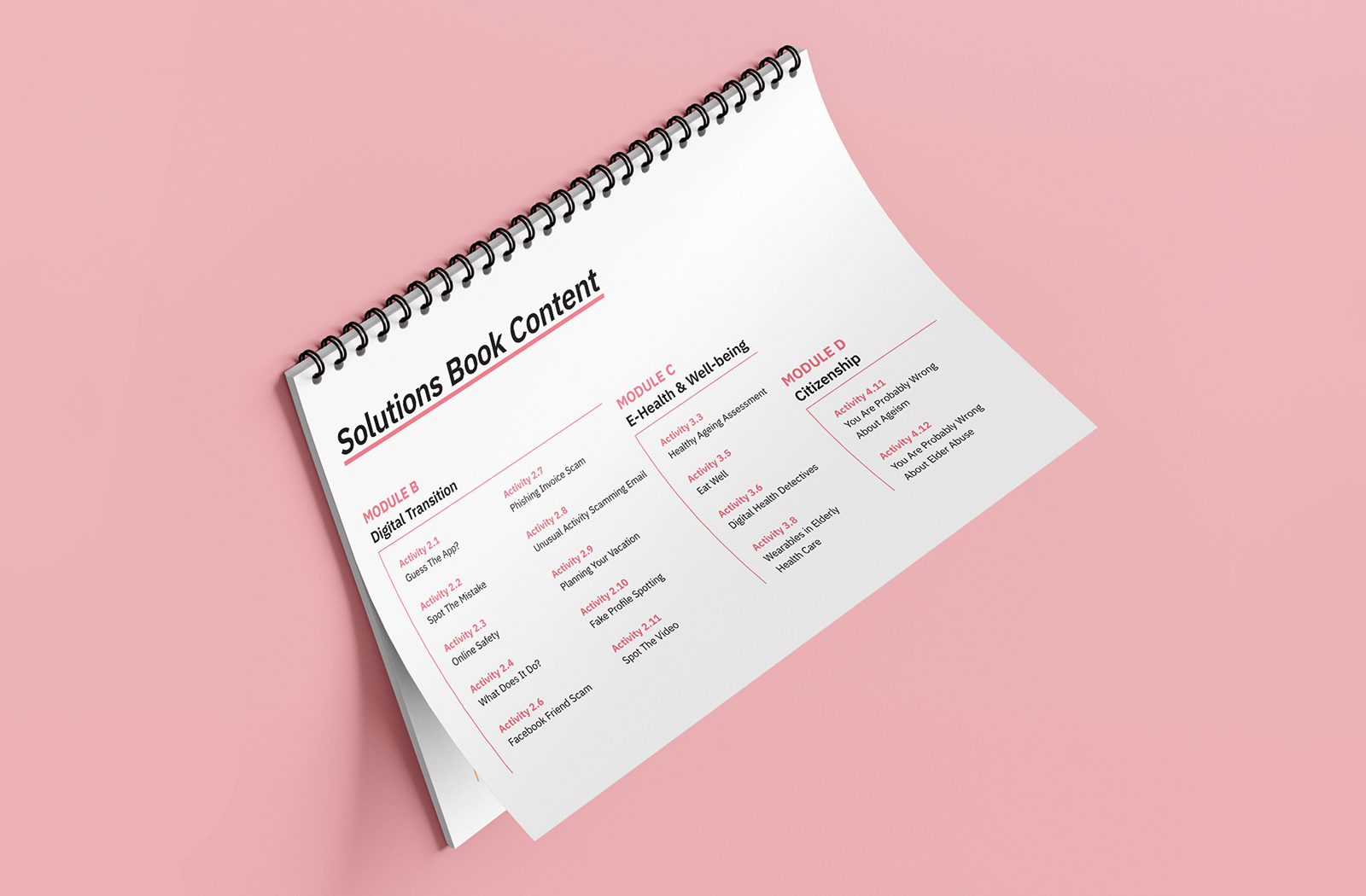
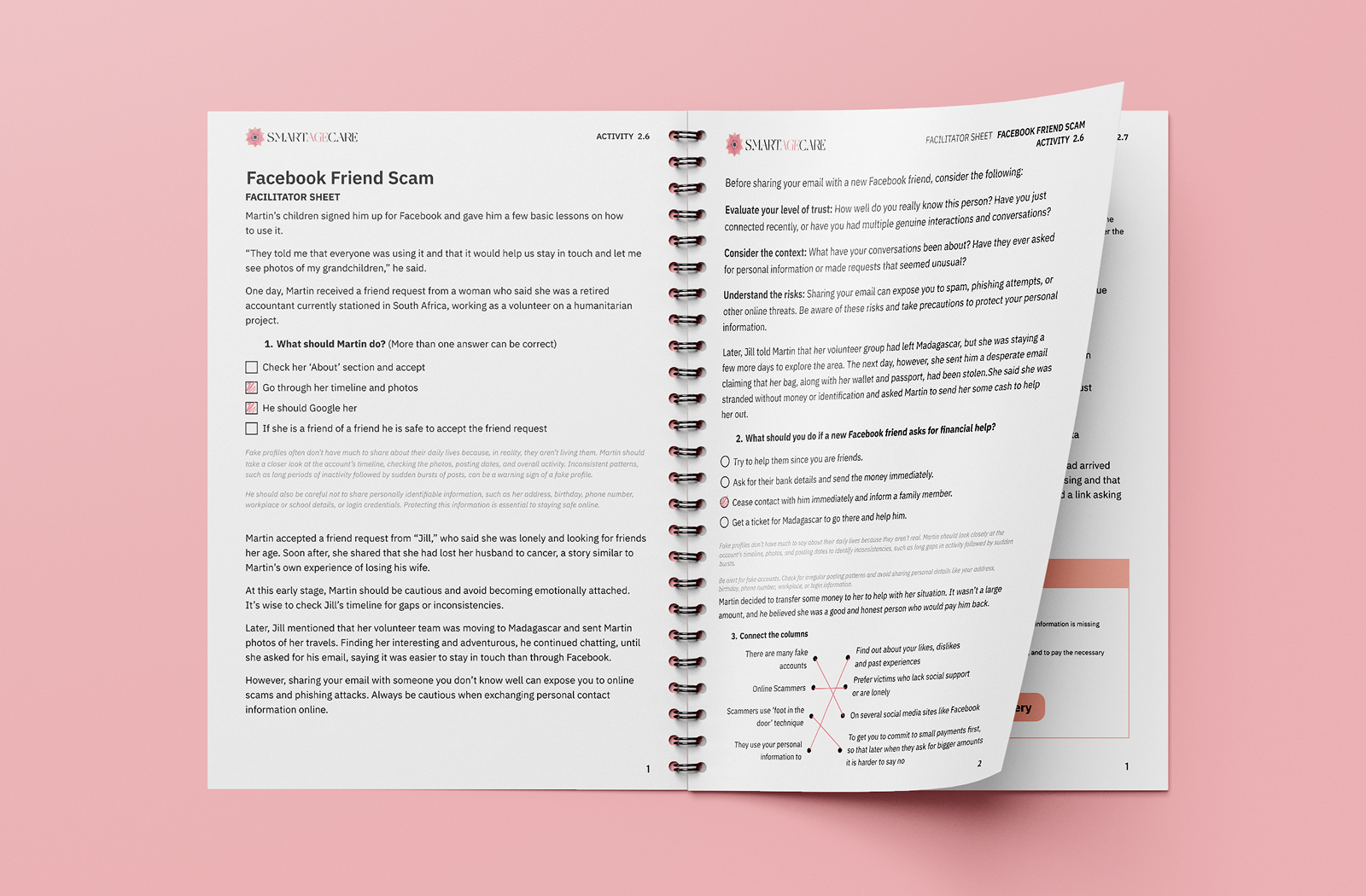
Solutions Book
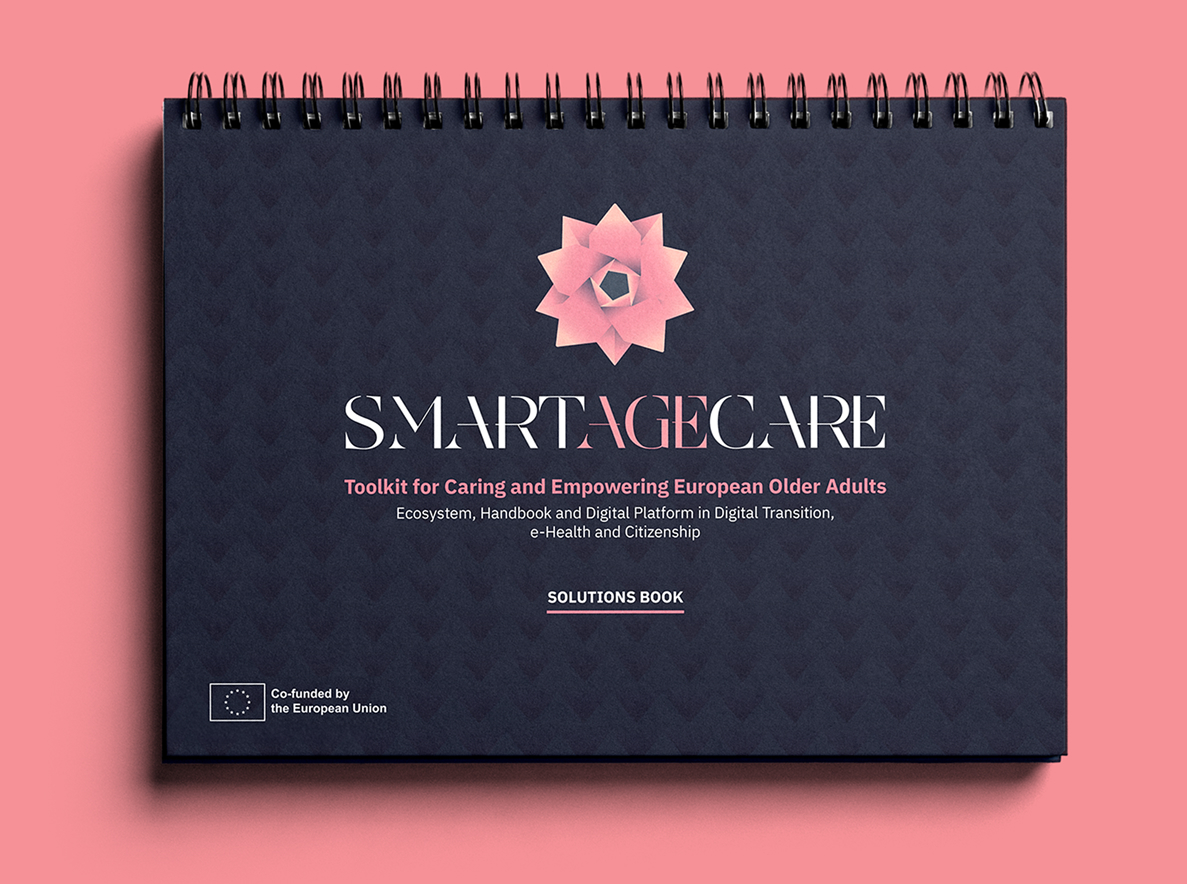
The Solutions Book contains the answers and reference solutions for activities that require guidance or verification. It supports facilitators during the sessions, allowing them to follow the activities confidently and assist participants whenever needed.

Photocopy Book
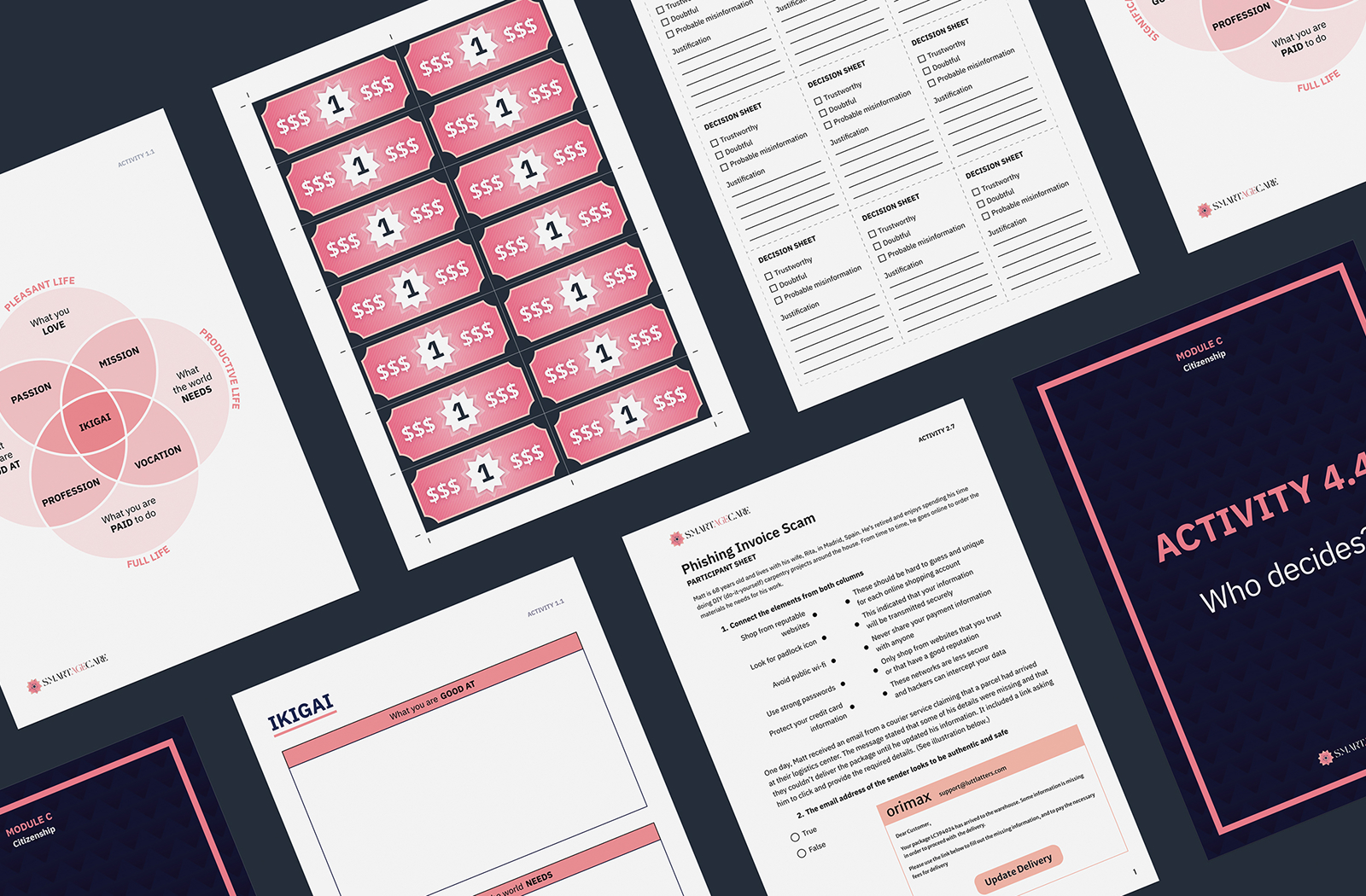
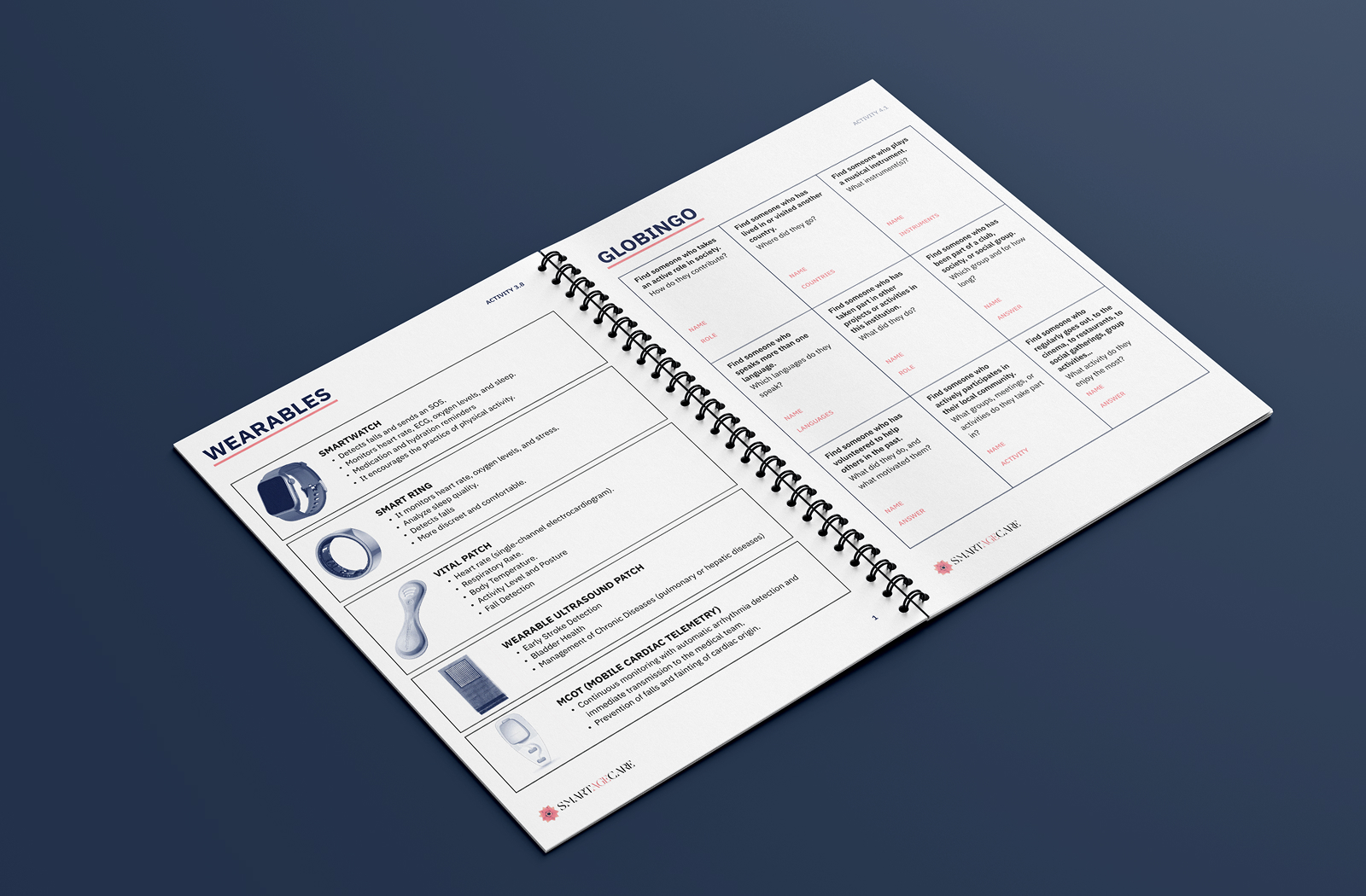
The Photocopy Book gathers all activity materials intended for reproduction and distribution to participants. It includes worksheets, exercise pages, and handouts that may need to be photocopied multiple times depending on the size of each group or session.
Testing
KPI - SMART — PLAY
The testing phase of the Toolkit followed the SMART method 'Specific', 'Measurable', 'Achievable', 'Relevant' and 'Time-Based' to support valiation and evaluation across Performance, Effectiveness, Efficiency and Usability.
This approach was combined with the 'Game Usability Heuristics (PLAY) For Evaluating and Designing Better Games: The Next Iteration' which guided the construction and development of the testing questionnaire of the Toolkit experience.


Questionnaire
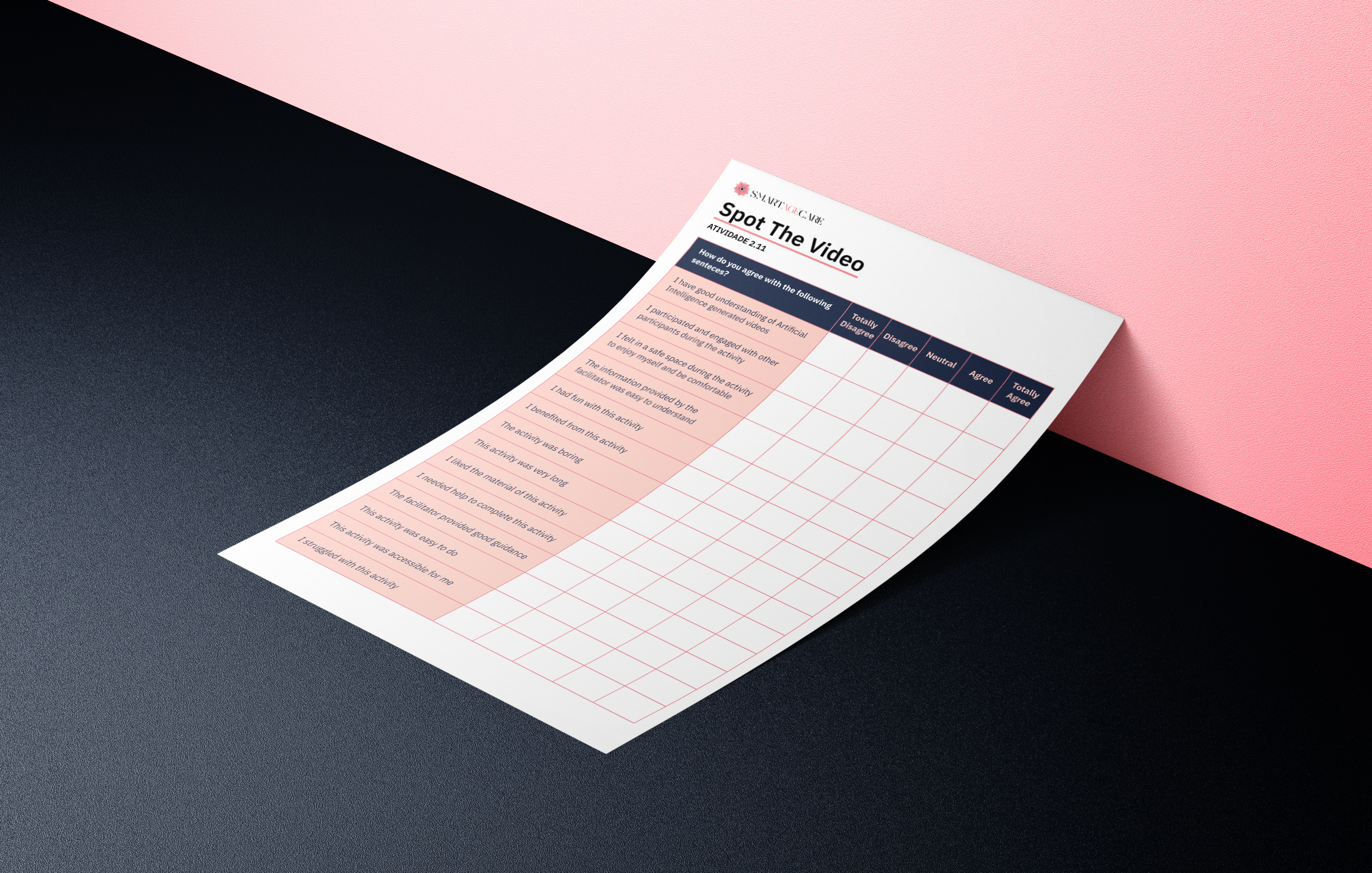
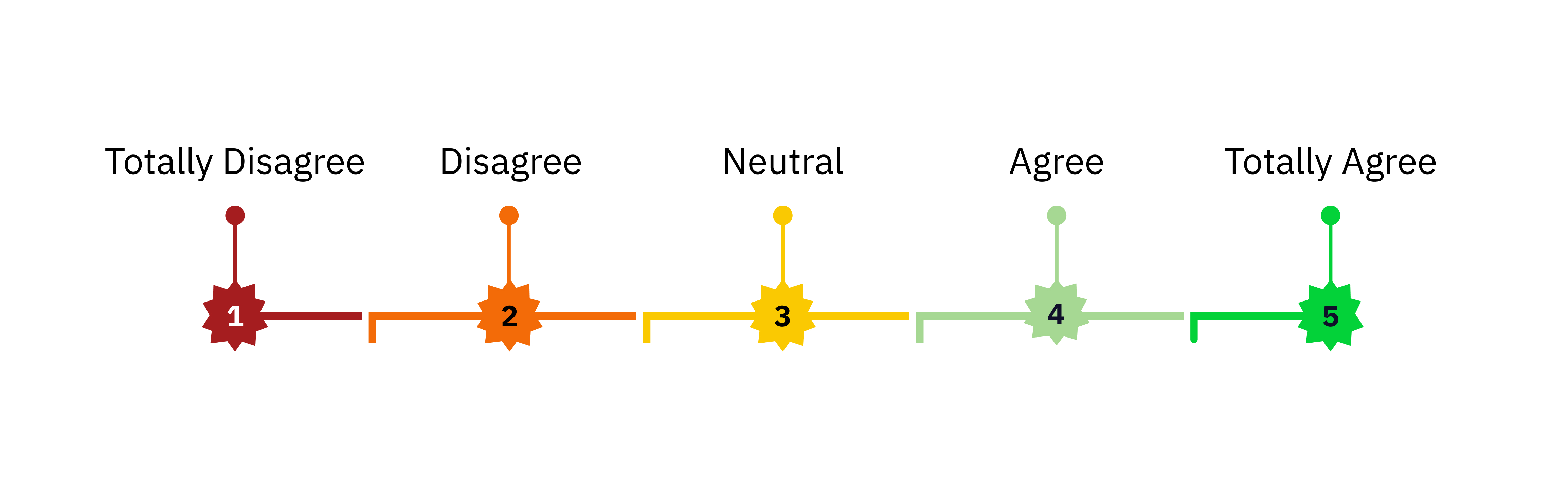
A questionnaire was developed for participants to complete after each Toolkit activity, evaluating aspects such as engagement, enjoyment, relevance, comfort and participation. questionnaire consisted of 16 statements, rated on a Likert scale ranging from 'Totally Disagree' to 'Totally Agree.' An additional questionnaire was created for facilitators to assess the activity materials and scripts, while also providing an external evaluation of the participants experience and interaction.
Participants
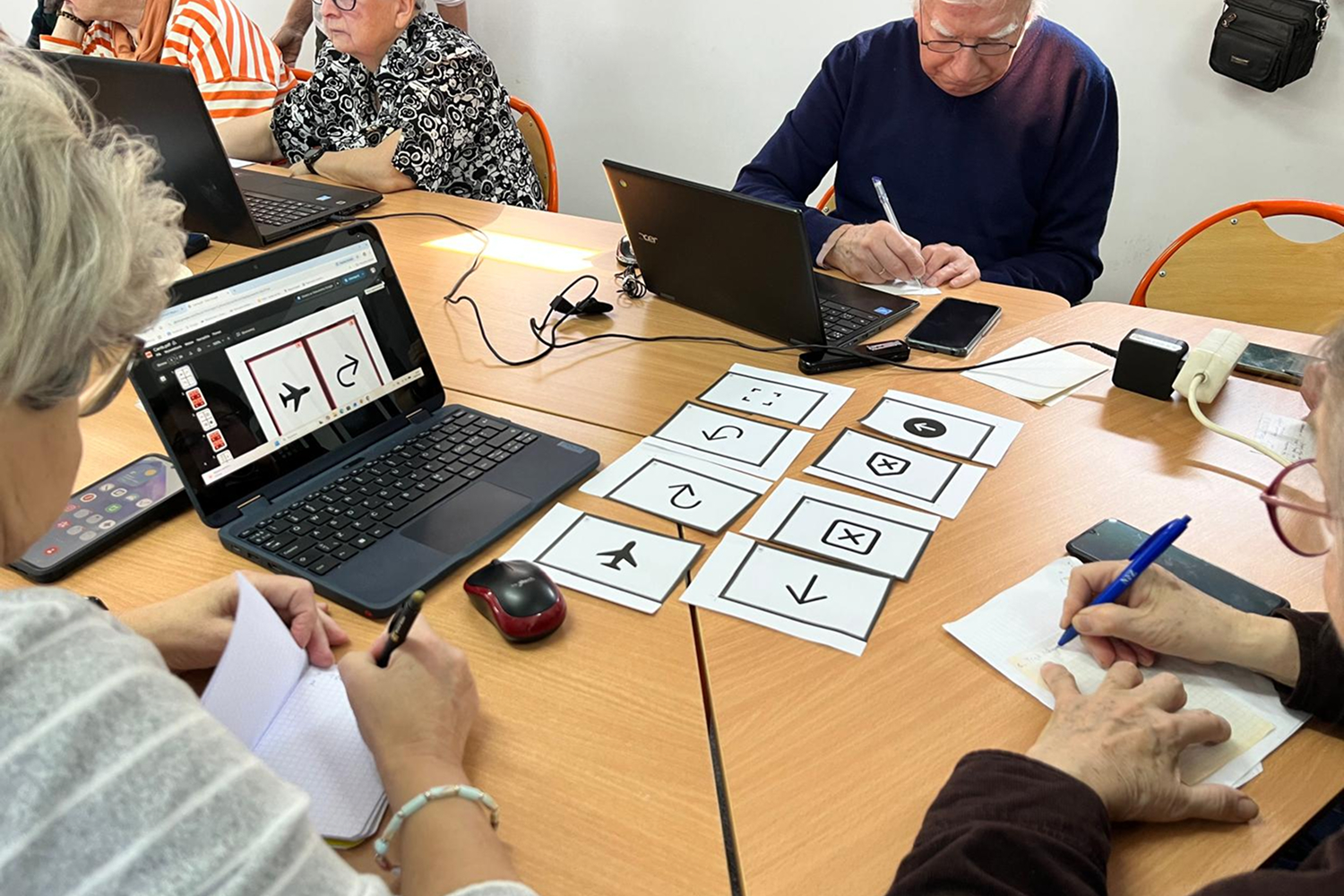
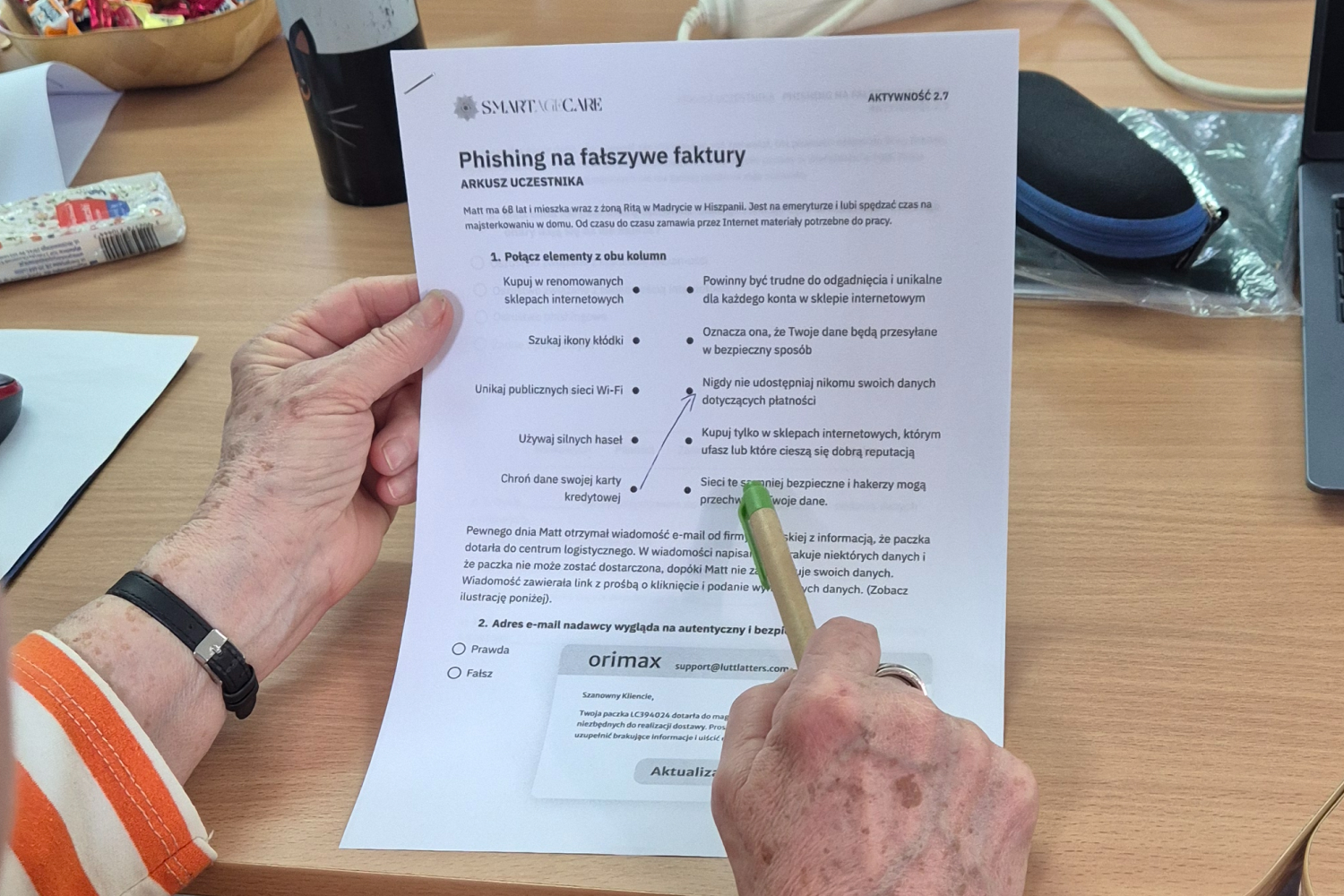
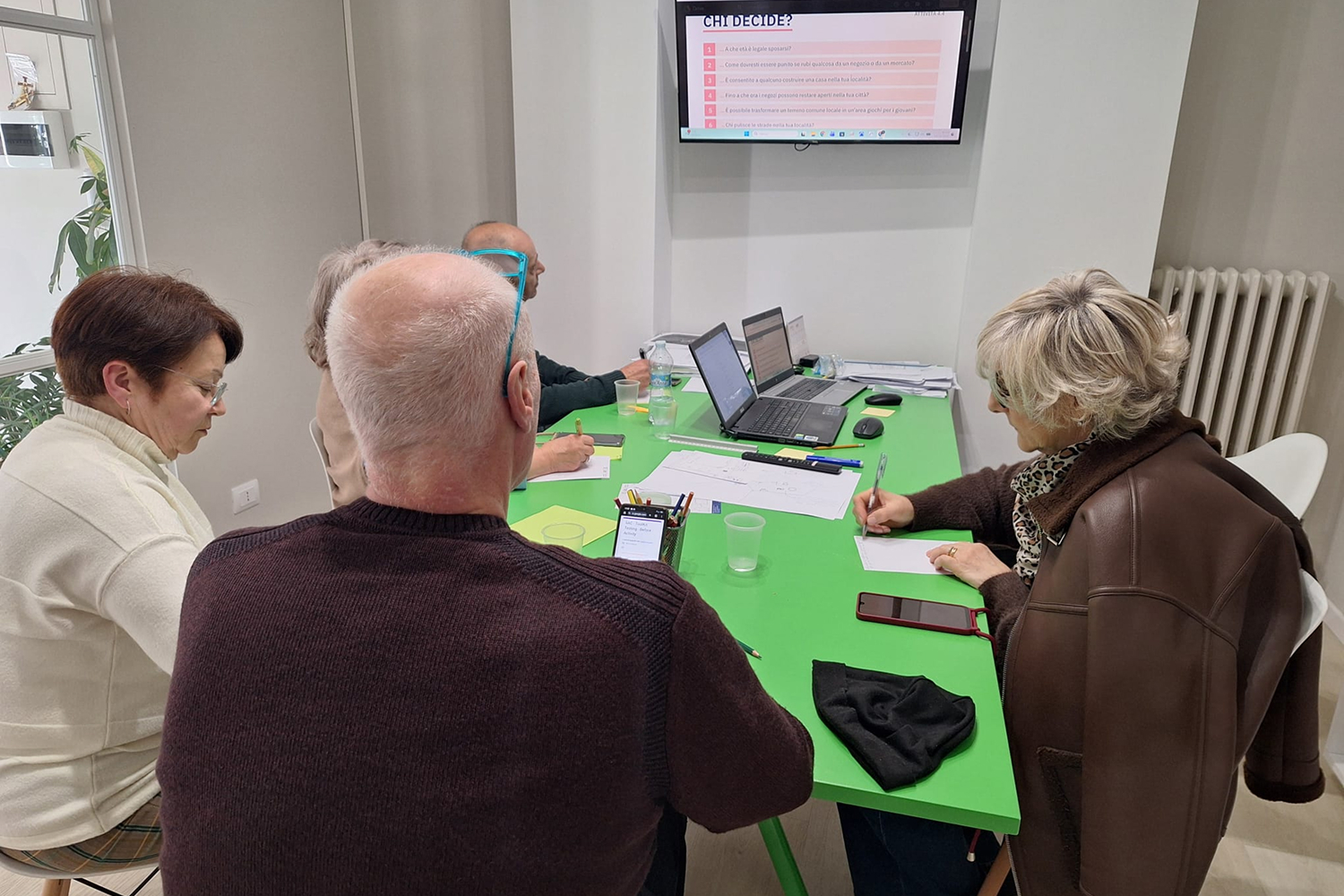
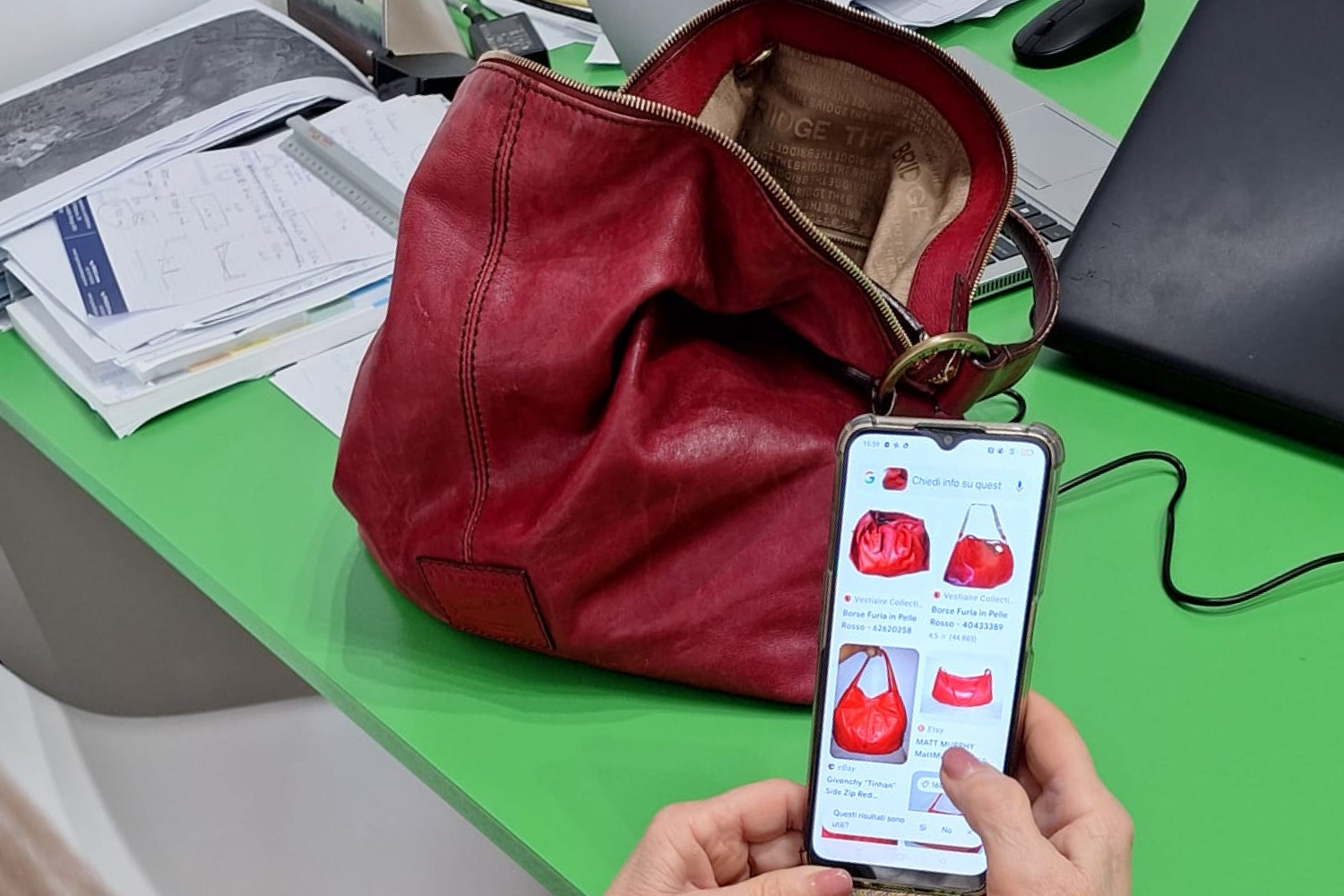
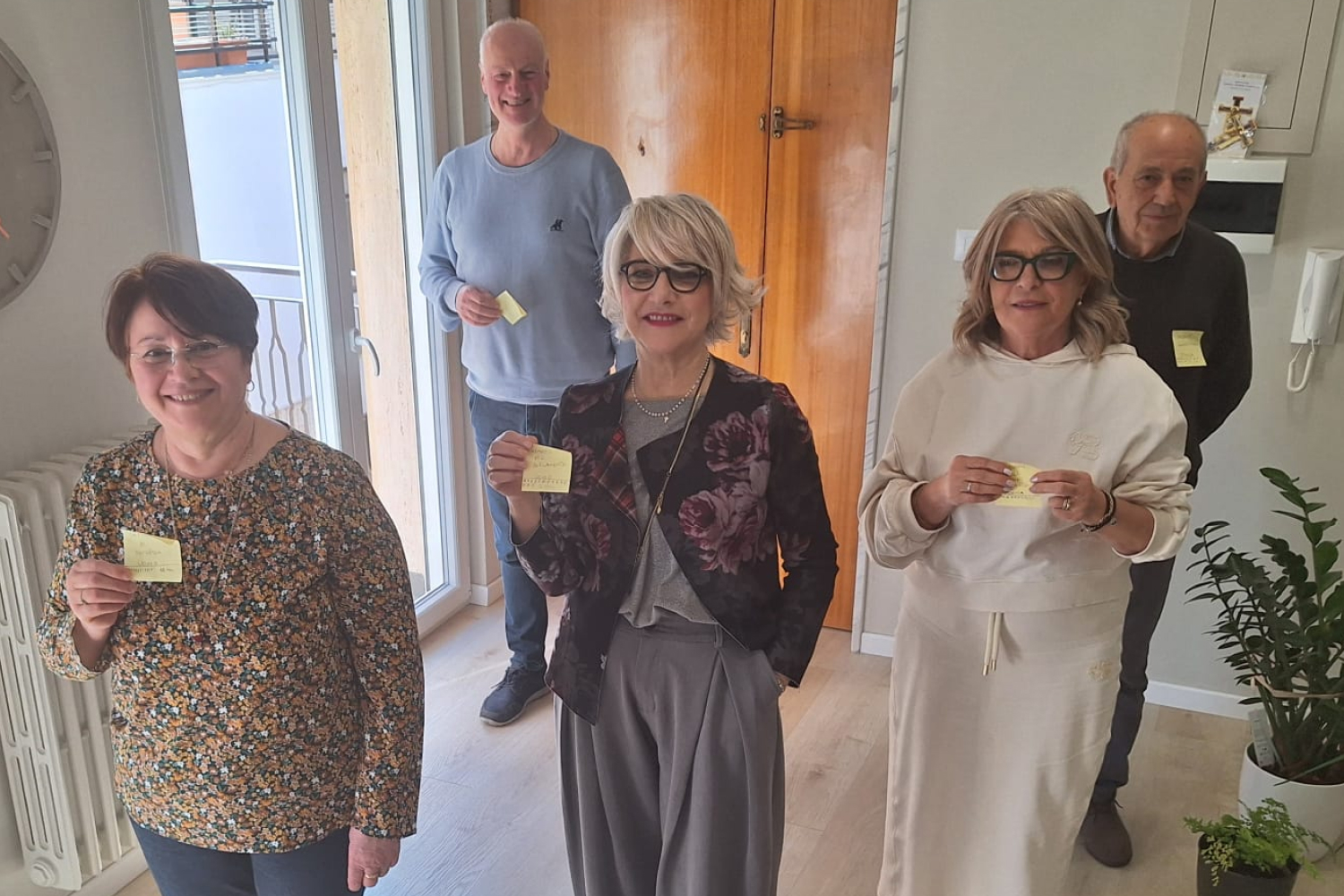
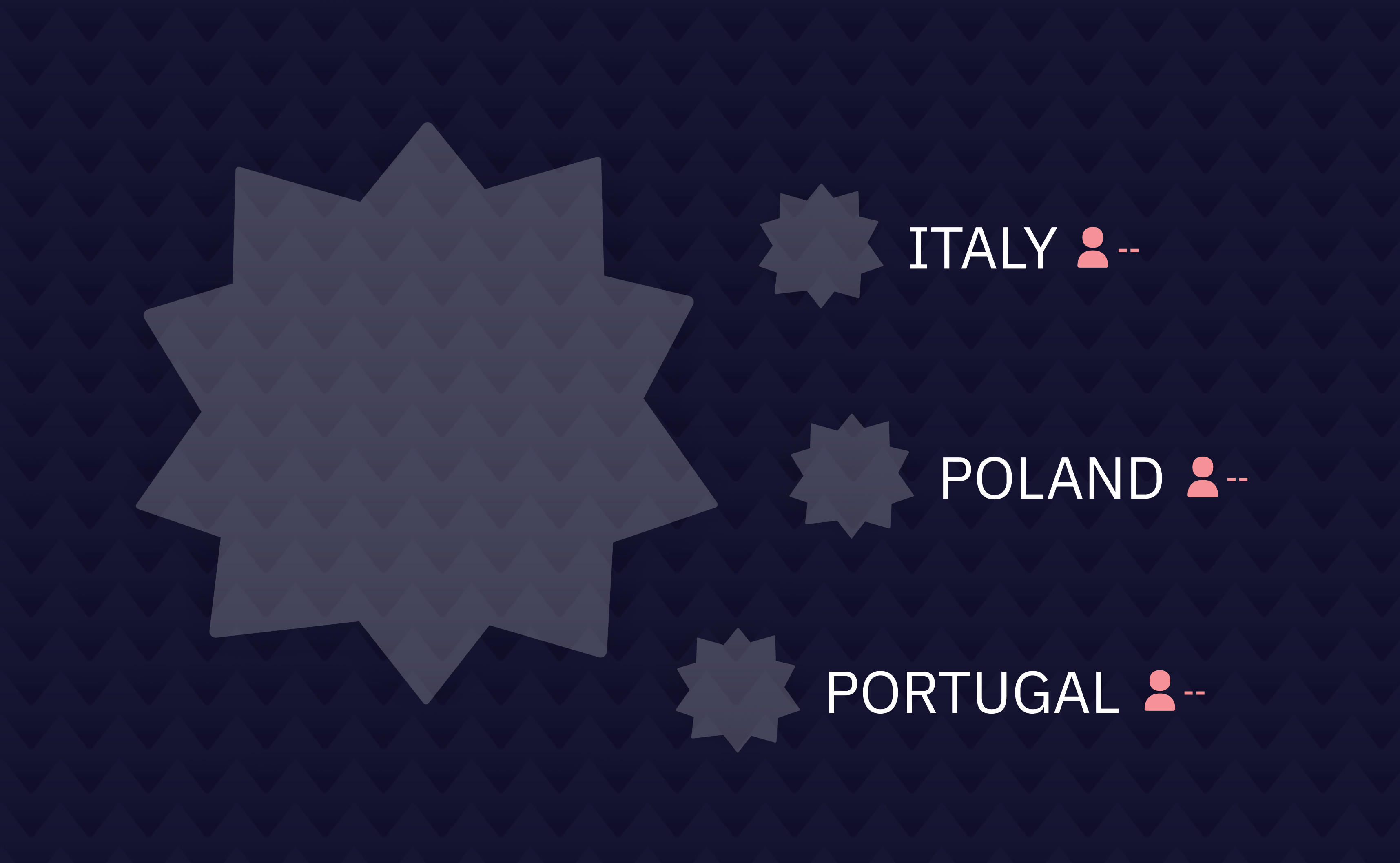
The SmartAgeCare Toolkit was tested in Poland, Italy, and Portugal. Participants came from diverse social and cultural backgrounds, with different stages of contact with technology and digital literacy. This diversity offered relevant insights regarding the toolkit's usability, accessibility, and participants' engagement and learning preferences. The testing phase also reinforced the importance of a flexible and knowledgeable facilitation with personalised activities to respond to different skills, motivations, and group dynamics.
Evaluation
To enable the calculation of averages and support a clearer analysis of activity outcomes across all questions, the response scale was converted from a qualitative format (“Totally Disagree” to “Totally Agree”) into a 1–5 numerical Likert scale. This allowed the results to be analysed quantitatively and provided a more structured basis for comparing participant responses across activities.
Results
The testing phase revealed significant diversity among participants in terms of digital literacy, confidence, and engagement styles. While some older adults were highly motivated and actively engaged with the toolkit, others preferred a more observational role. Different educational backgrounds, experiences with technology, and personal interests also influenced participation and learning outcomes. Some activities were considered too simplistic or obvious for certain participants, and others were marked with less practicality in terms of device usage learning. Physical activities also generated mixed reactions, as what felt motivating and energising for some participants, was perceived as dangerous or inappropriate by others. These findings reinforced the importance of flexibility and adaptation according to the characteristics of each group.
Results @ Activity
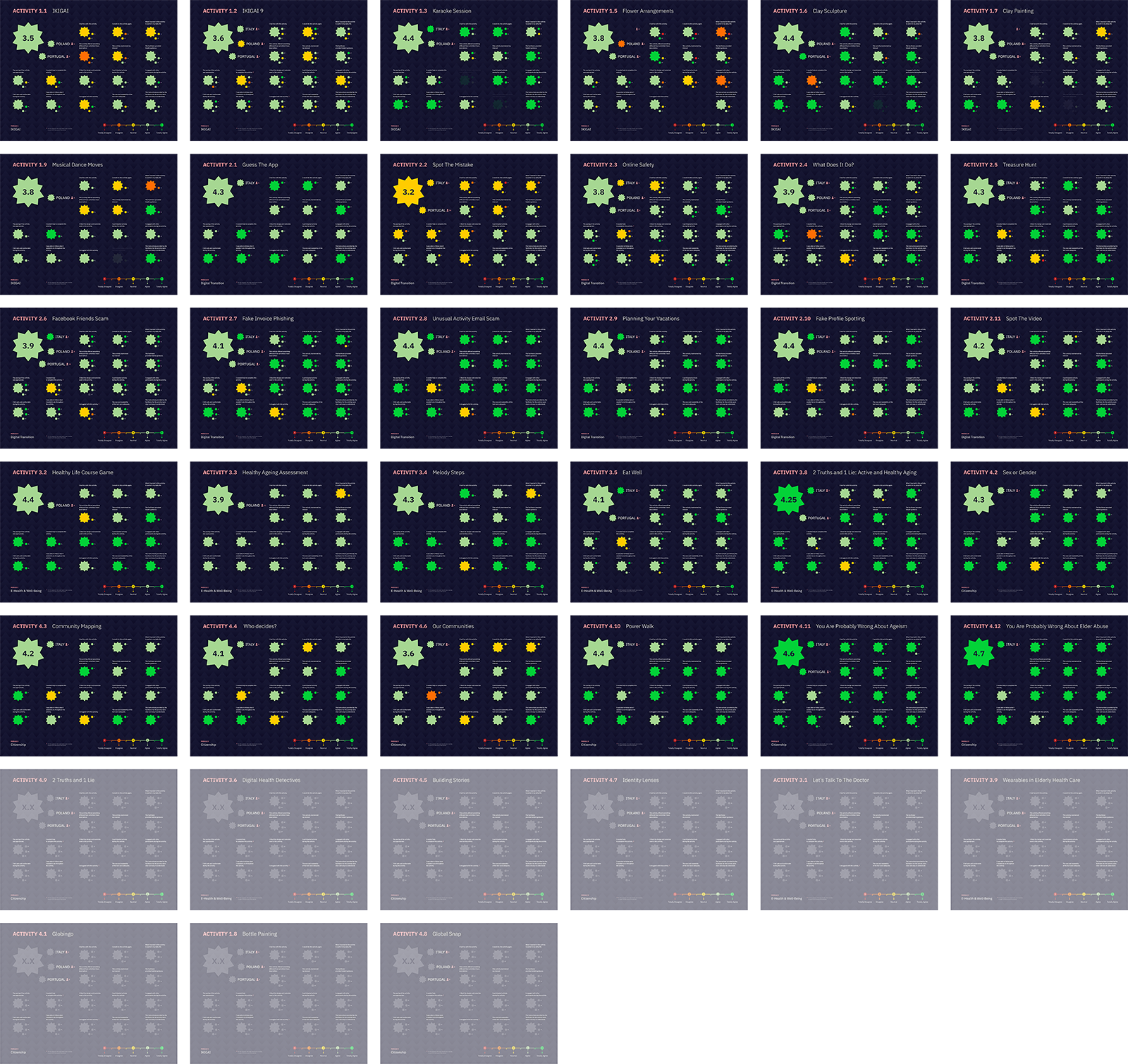
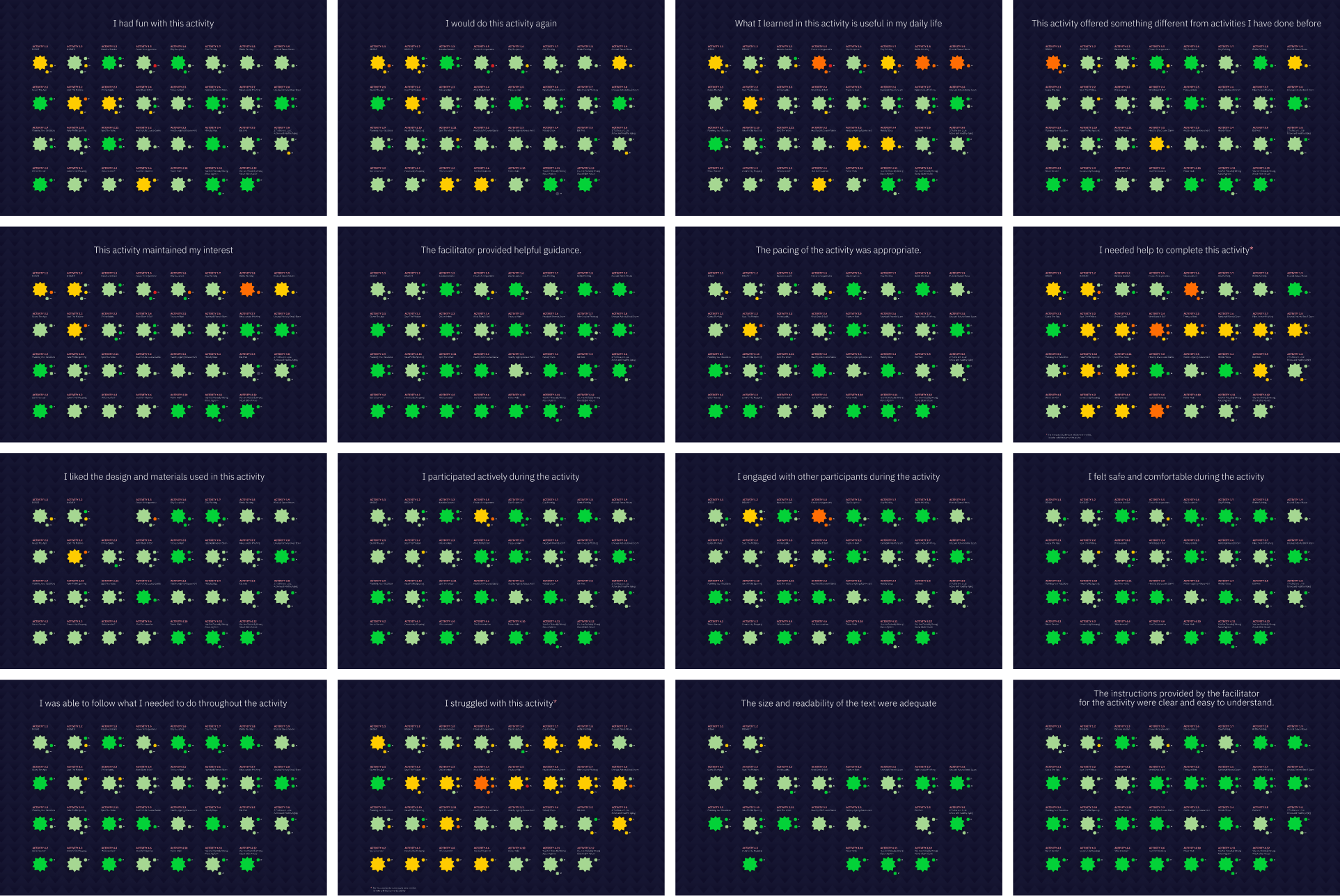
This evaluation allowed us to test for the interest, engagement, materials, usefulness, content and session facilitation on the different activities
It is important to note that not every activity has been tested. And ideally we would have every activity tested by every partner country, in different contexts, with different older adults and facilitators. Overall, the activities got evaluated in a positive way, with the highest activity scoring 4.7, and the lowest 3.2. Coming with an average of 4.1

Results @ Question
Activities regarding AI multimedia was reported to be a scary topic for some participants. Nonetheless, the activities in almost their totality had the participant engaged throughout, where as their interest tho decreased in some activities
Additionals
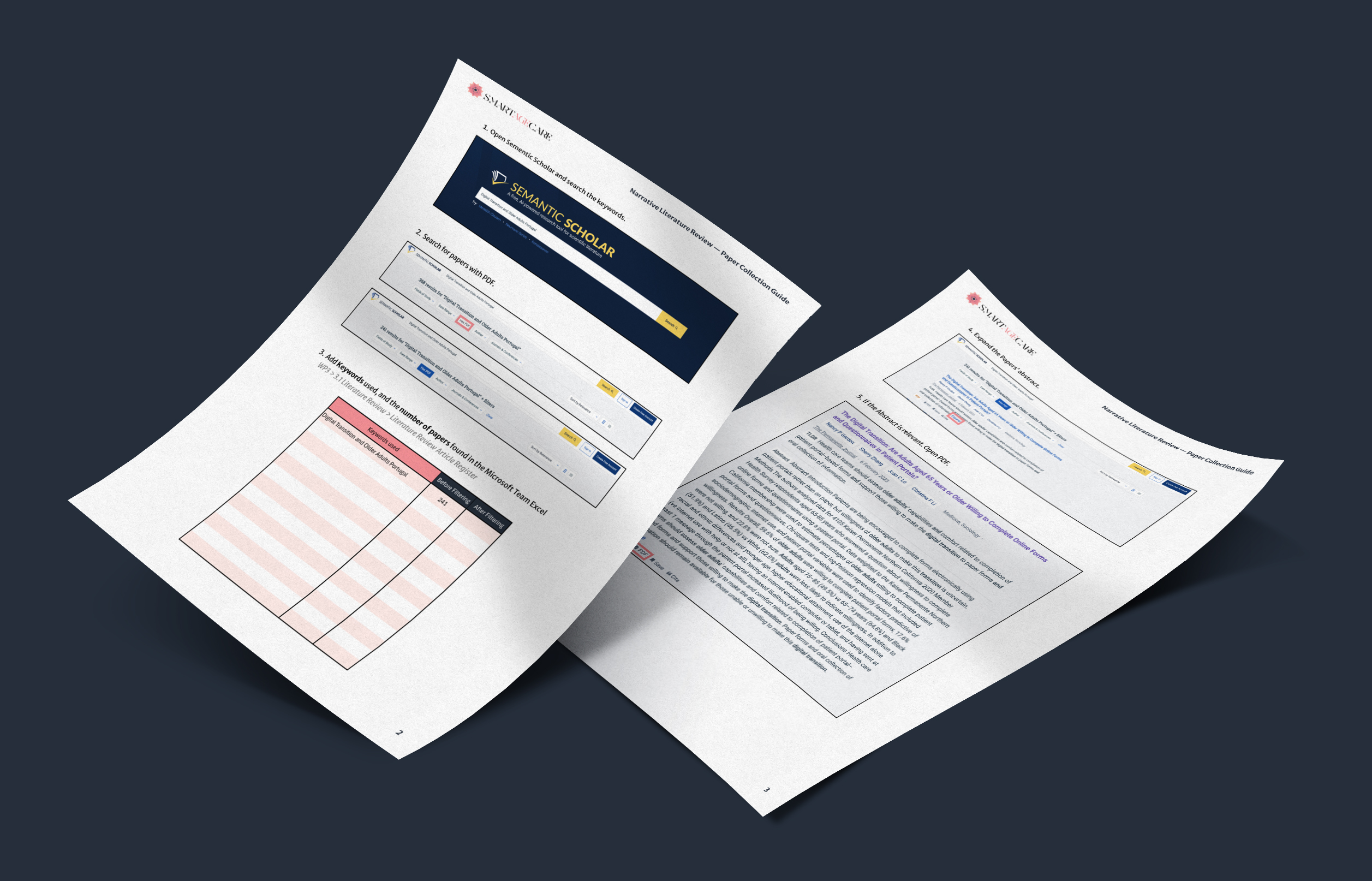
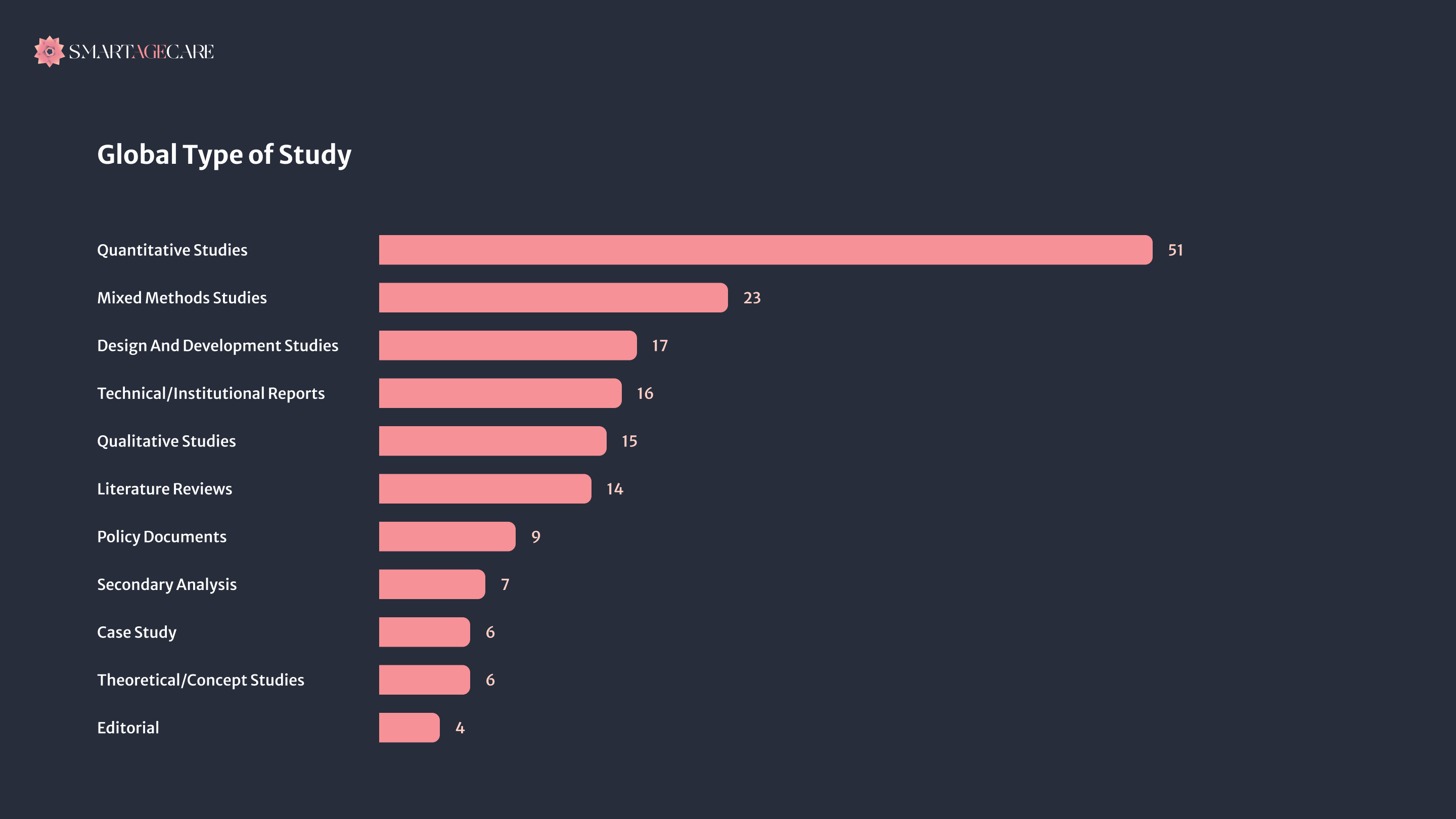
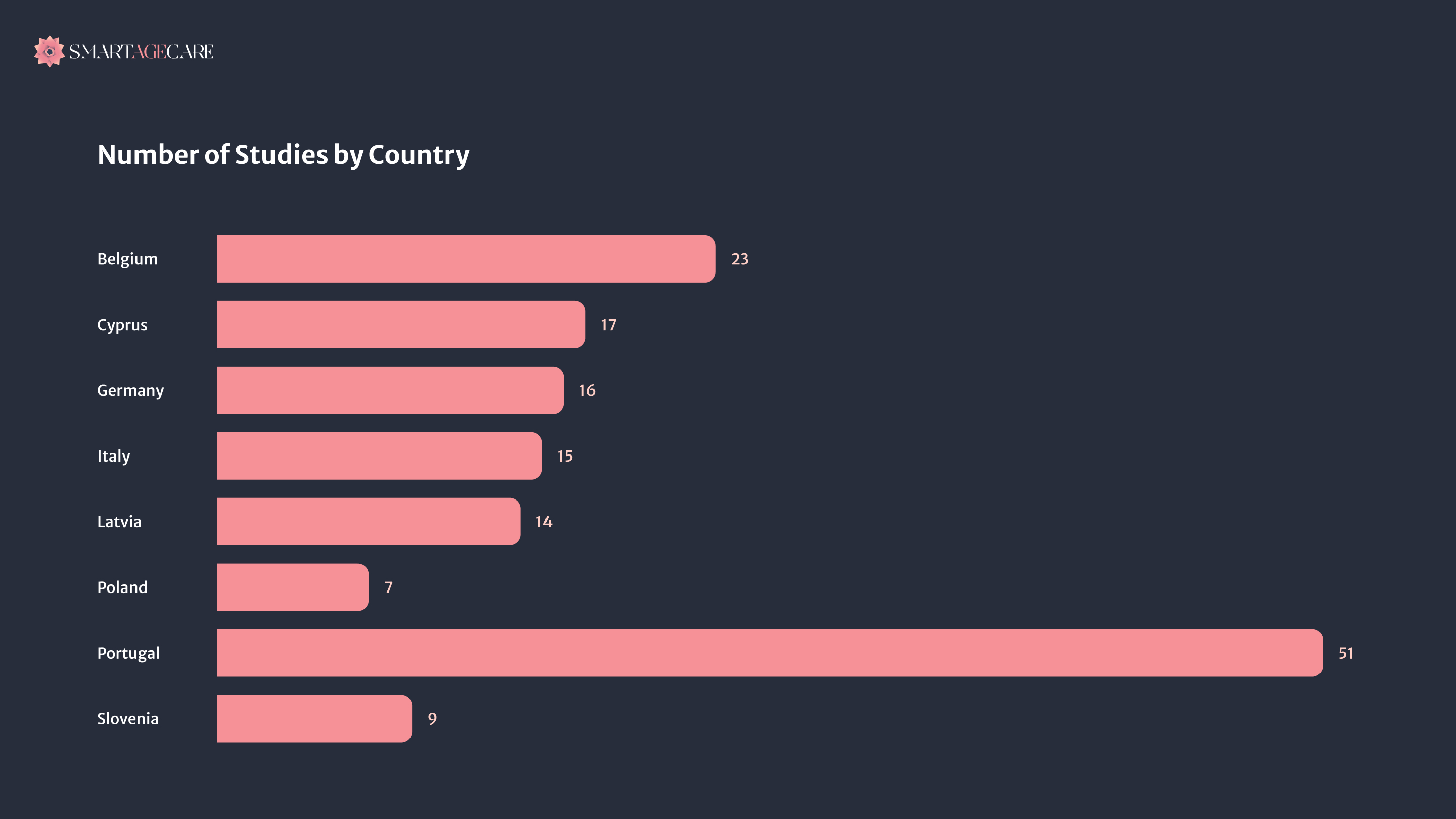
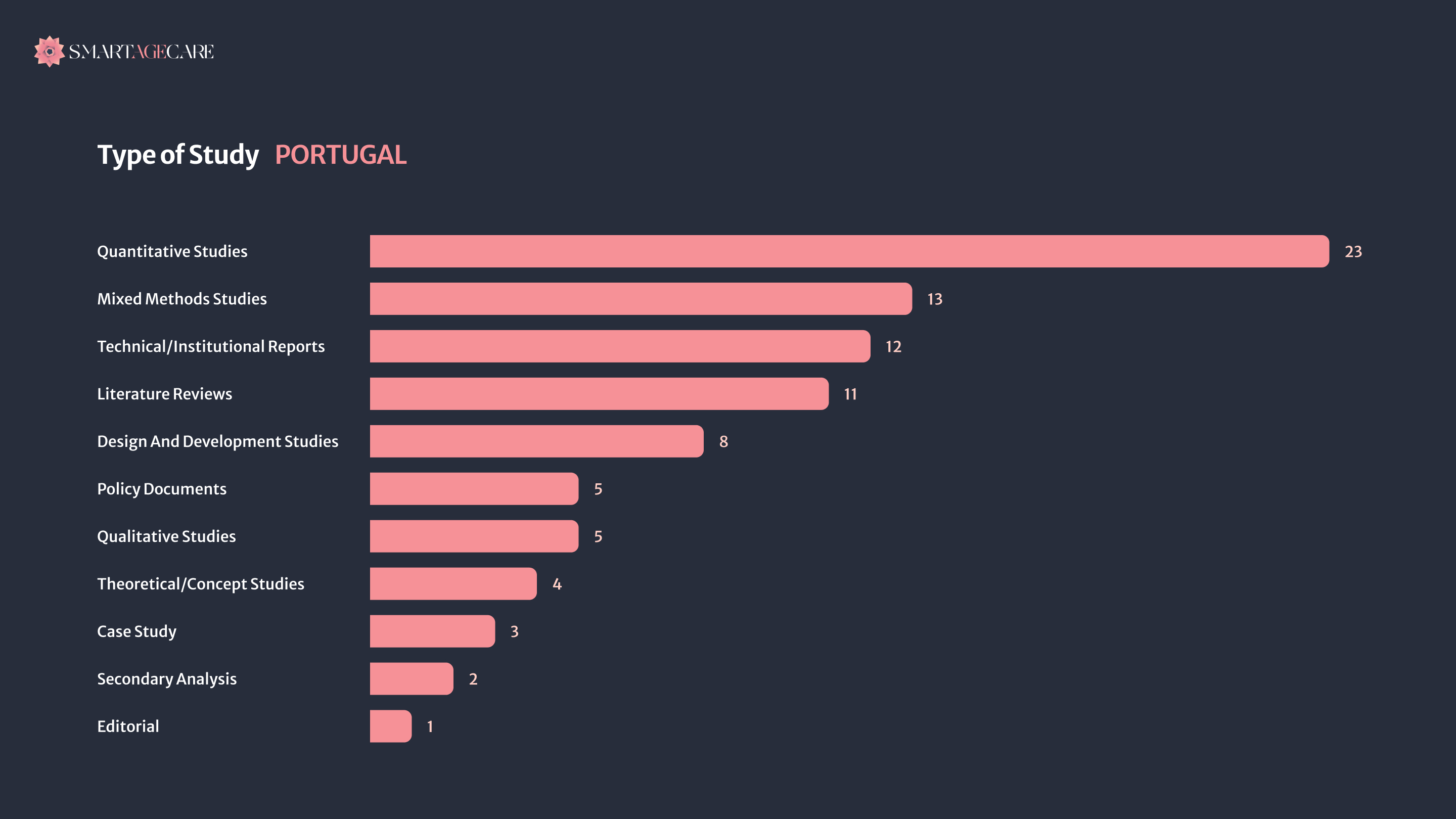
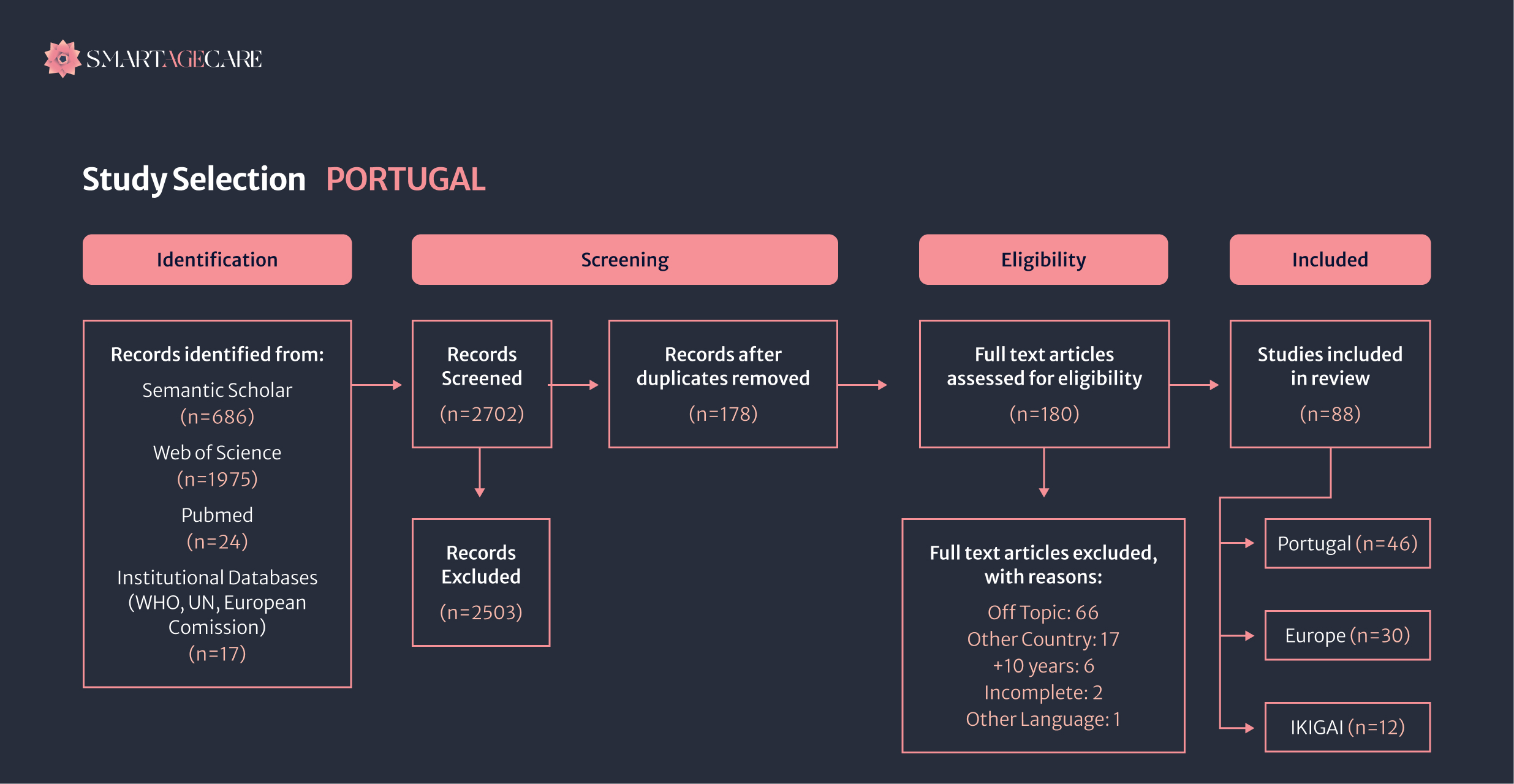
Literature Review Visualisation
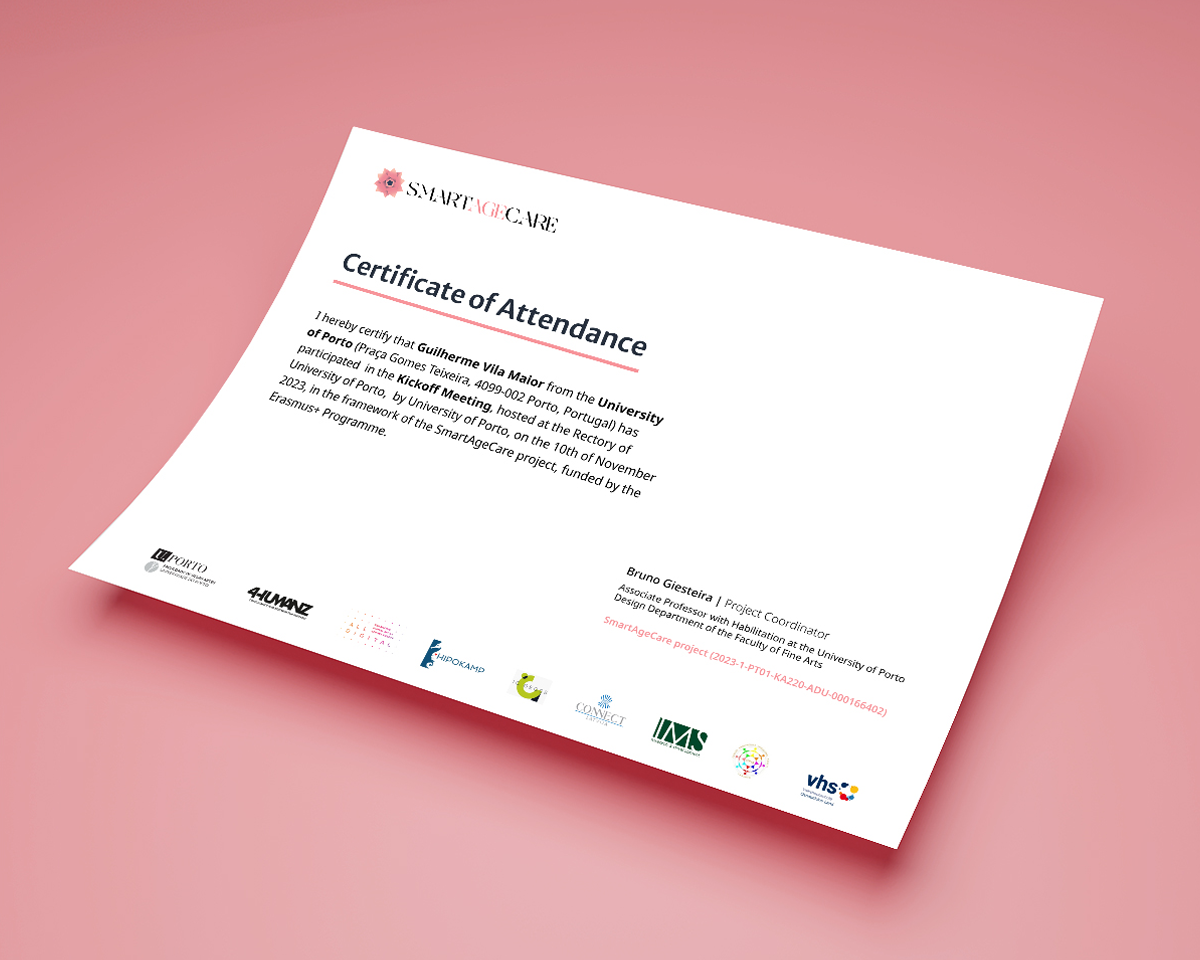
TPM Certificates
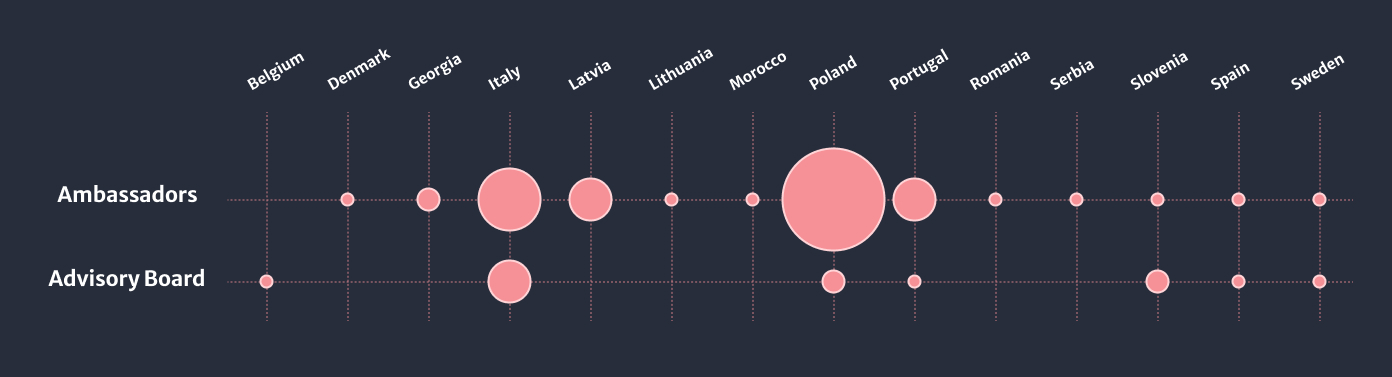
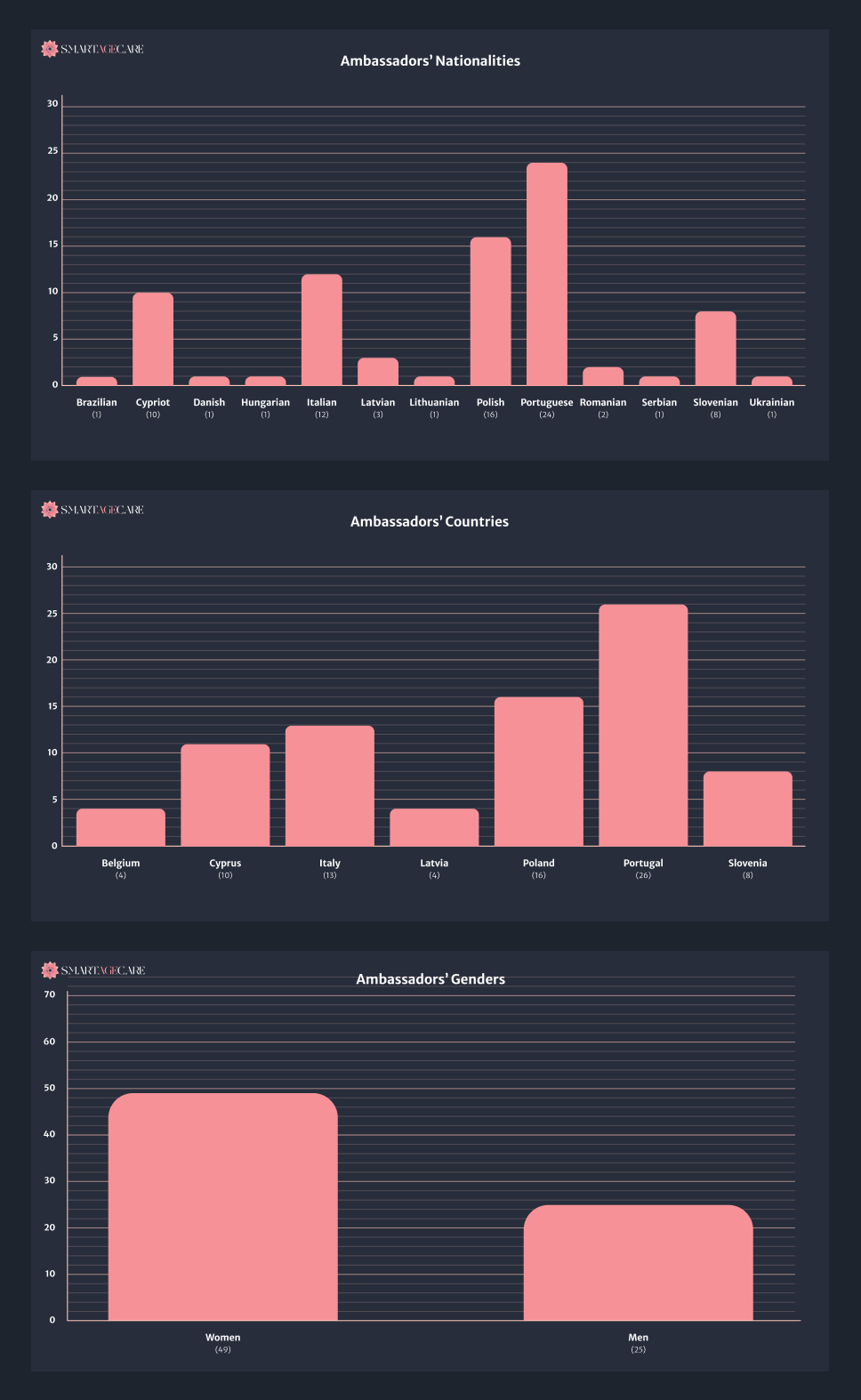
Ecosystem Infographics
Events